The story of the main protagonist from the annuls of Lyme’s history is truly one of rags to riches. A Cinderella story if you will.
Thomas Legh was born in 1792 an illegitimate child to an unmarried maid who worked in a local vicarage. In fact, when he was born his name was John. His father, Colonel Thomas Peter Legh, had apparently been busy seducing six other unmarried, working-class women in the local area, but had a conscience and so provided a house for John and some of his other half-siblings. He obviously took a shine to John as he decided to claim him as his son and had him baptised after himself as Thomas John Legh (you’ll see this is an intense theme in the history of Lyme).
But the greatest surprise of all was yet to come – when the Colonel died in 1797, he left Lyme and his other estates to this son. Overnight, four-year-old Thomas was catapulted into aristocracy and became what would today be a multi-millionaire.
At 18, the normal right of passage for young wealthy men with few responsibilities and ludicrous amounts of money was to go on the famed European tour. Unfortunately for Thomas, at that time Napoleon was making it a bit difficult to have a nice holiday in Europe so the advice was to stay home. Thomas however decided to choose something outside of the normal TripAdvisor routes and set off for the Ottoman Empire instead – not somewhere Europeans tended to go.
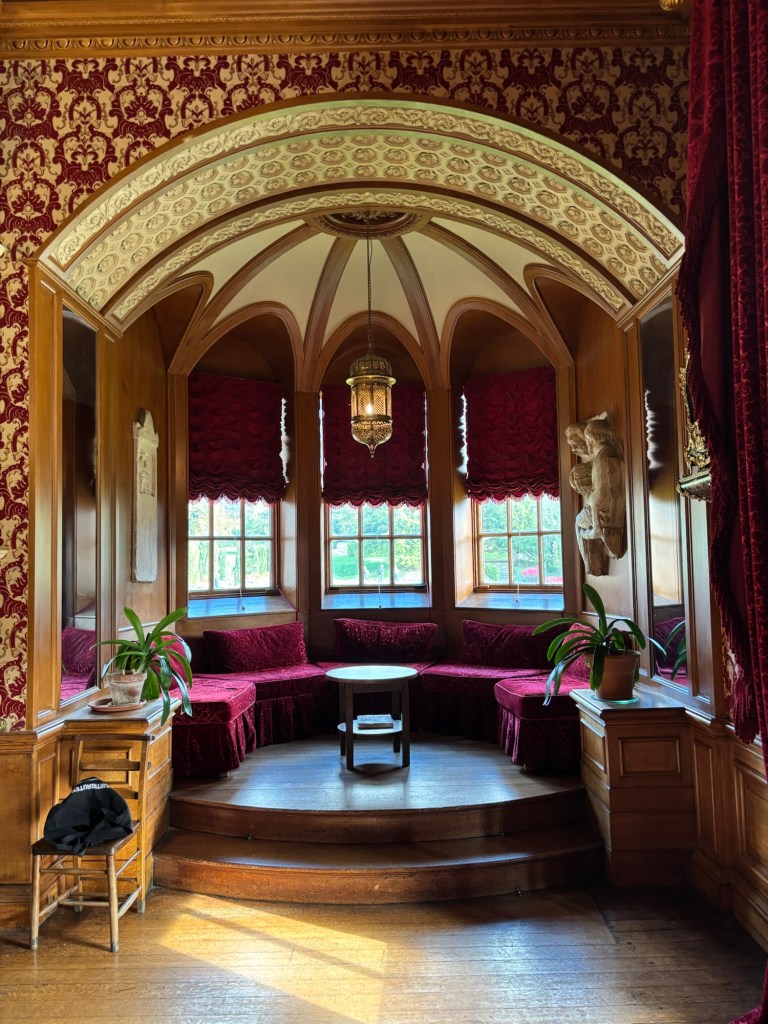
By all accounts, he had a marvellous time, came home ahead of his 21st birthday, wrote a book about his travels, and the influences of what he saw have carried through into a couple of corners of the design of the house, including my favourite room – the library – with this stunning reading nook.
Thomas was married twice, and his first wife has a story which wouldn’t look out of place in an Eastenders script.
Ellen Turner was daughter of a wealthy industrialist and due to inherit another local estate. However, at 15 she became the centre of a national scandal as she was abducted by an Edward Wakefield and taken to Gretna Green to be married (Jane Austen fans will recognise this as having likely inspired Kitty’s story in Pride and Prejudice). The marriage had to be annulled by parliament, and her path crossed with Thomas as he was a magistrate involved in the fallout from the scandal. They appear to have become friends which developed into more, and they married in 1828 when Thomas was 35, and Ellen was still just 16.
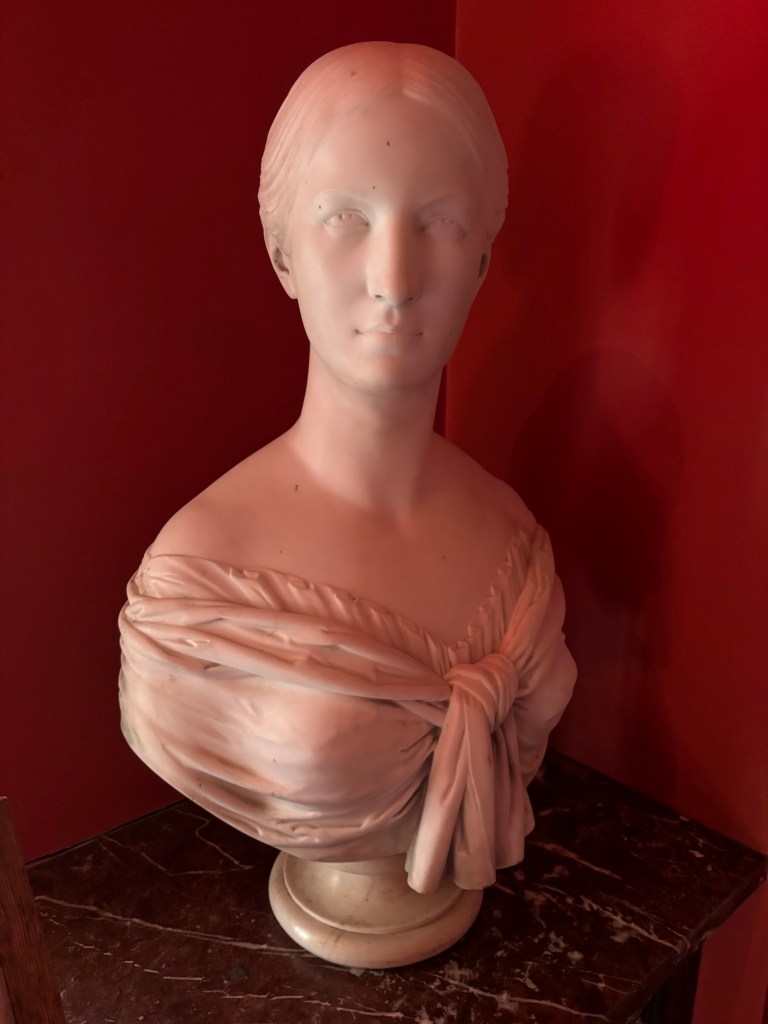
They welcomed their daughter Ellen two years later – a bust of which is the only remaining image of her or her mother.
Devastatingly, at 19 Ellen gave birth to their second child, a stillborn son, and she also died shortly after. She is buried with the baby in her arms. Thomas was left a widower and to raise their daughter.
Having experienced such trauma, Thomas’s second wife appears to have brought a much gentler rhythm to his life. Maud Lowther joined him in 1843 when he was 51. A keen musician, she played harp, piano and sang, and was a published author of books on music. She sounds delightful.
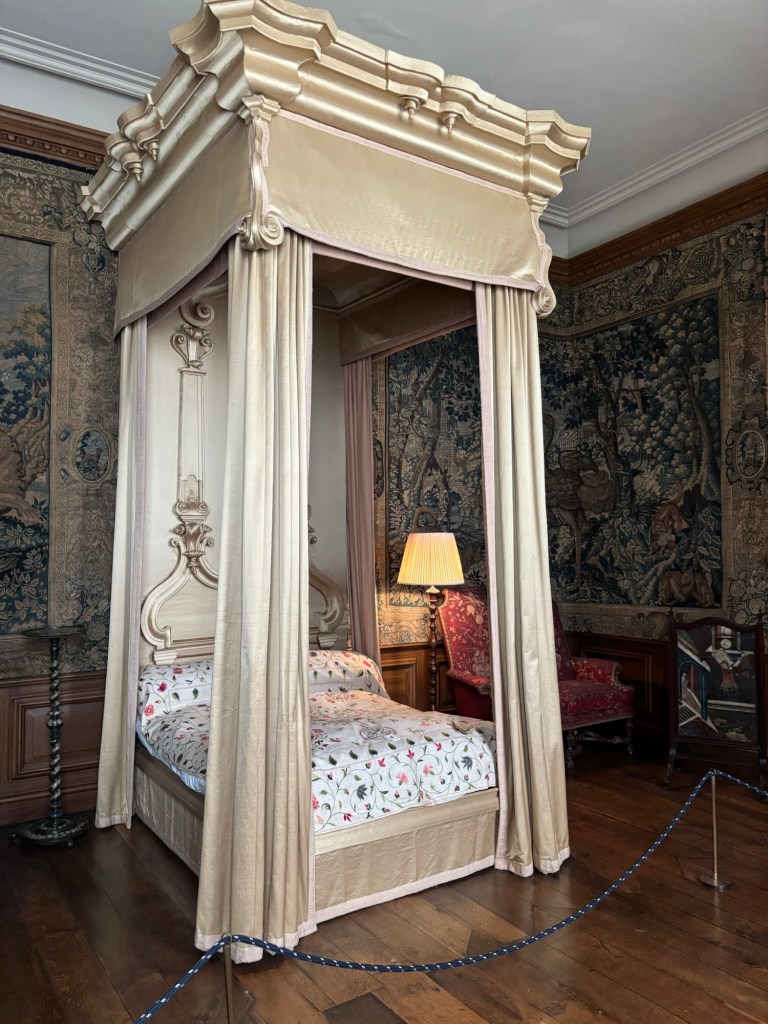
Thomas’s main dedication for his life was restoring Lyme to a place he loved. When he inherited the house, it was in a state of disrepair, so as an adult he hired architect Lewis Wyatt and set about restoring the house and weaving in elements from his own travels.
In 1857, Thomas died at 65, and without a son his estate passed to his nephew William Legh.
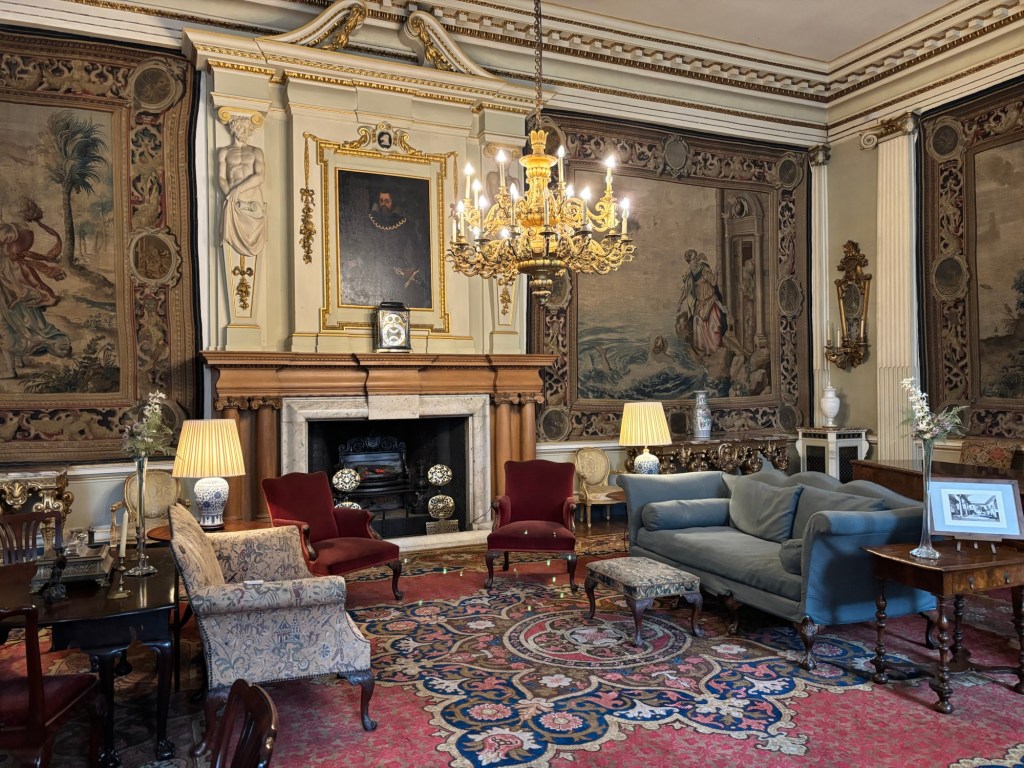
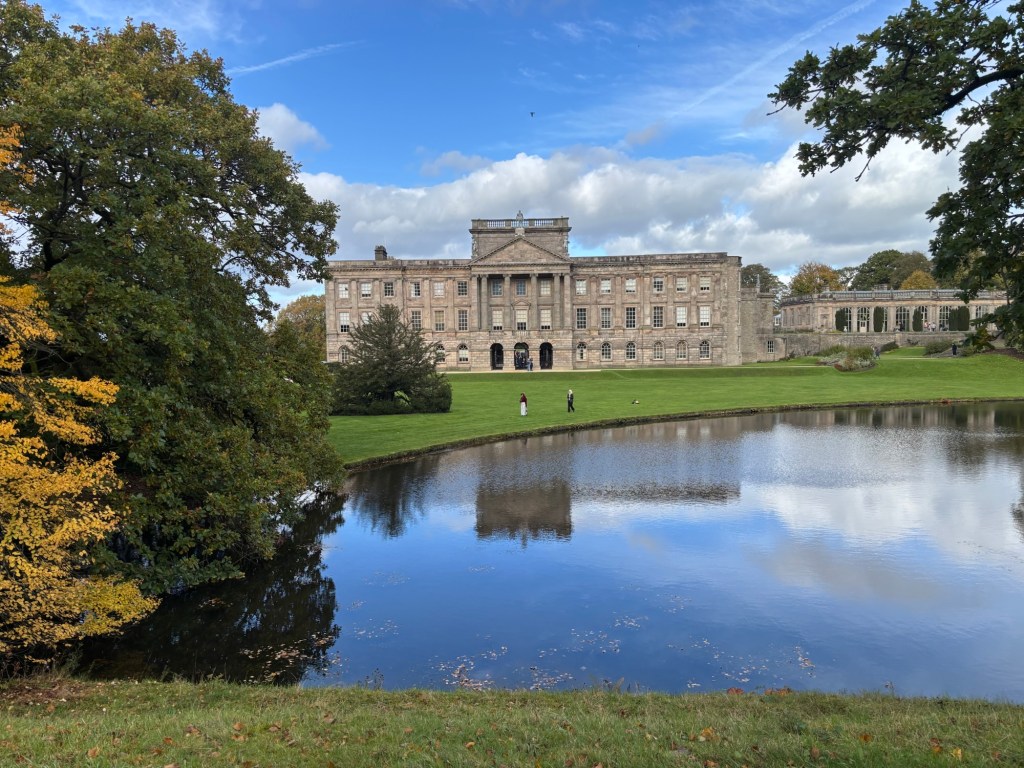
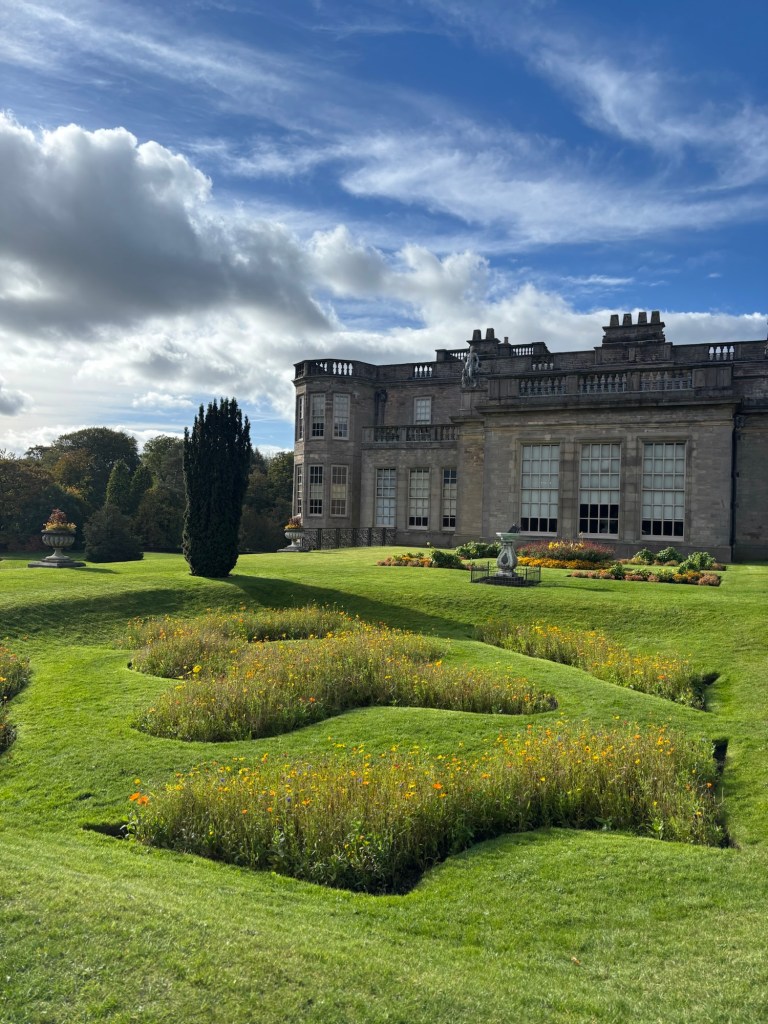
And yet, Thomas’s story merely scratches the surface of the history of the Lyme Estate which belonged to the Legh family for 600 years. Beginning in 1346 (to put this in perspective, this was the Middle Ages in Britain and the year the Black Death appeared in Europe, which went on to decimate the global population), by 1400 a simple Medieval hunting lodge had been constructed on the estate. Of course, this was the smallest of their houses, and so likely used more of a holiday home, where the back garden was only half of Cheshire.
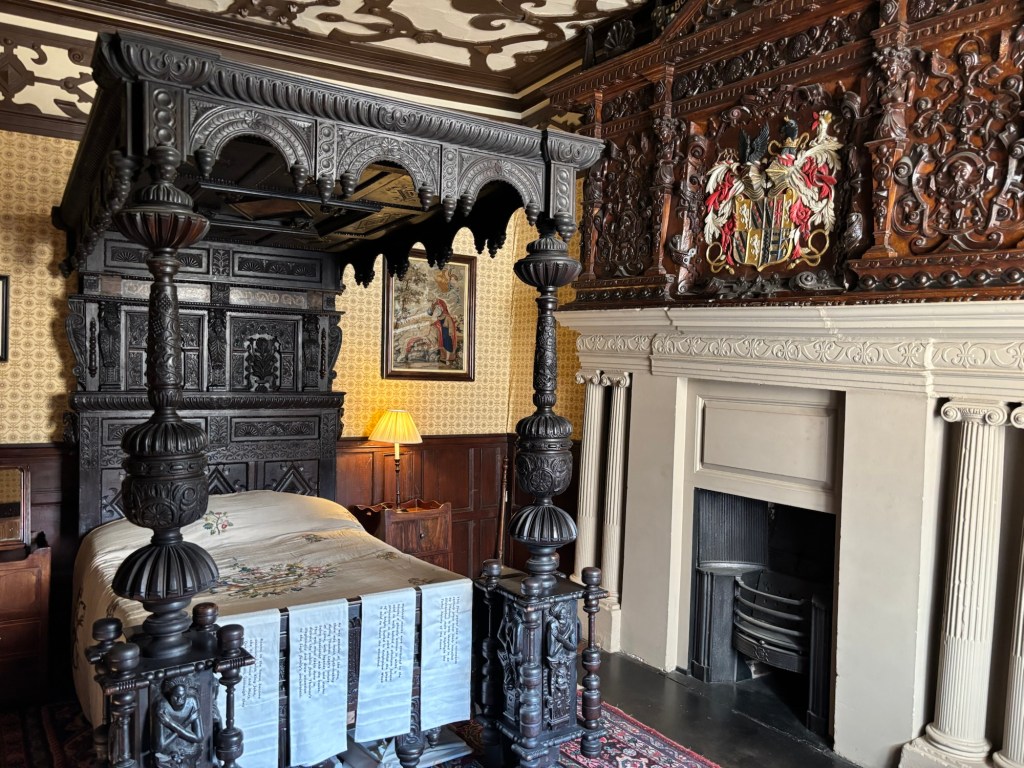
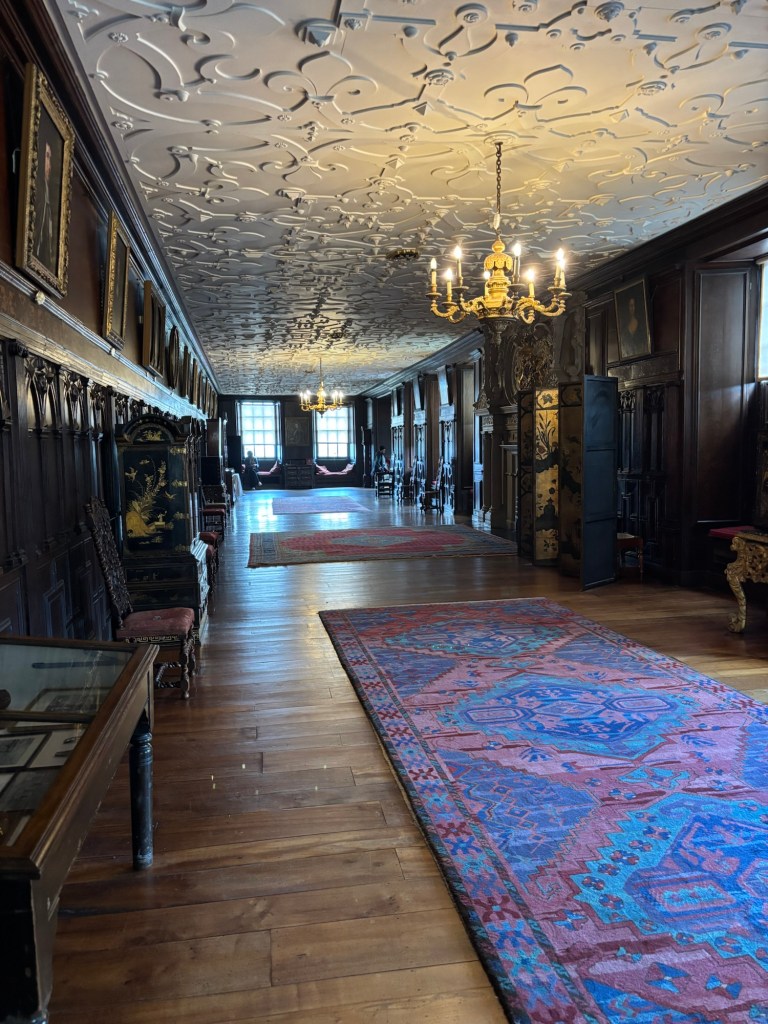
Sir Piers Legh’s grandson, also Sir Piers Legh, whose dad was, erm, also Sir Piers Legh (in fact this grandson was number 7 of the Sir Piers Leghs, which I guess would have made remembering who to ask for at the house easier, but more confusing when several generations were at dinner and you needed one of them to pass the butter), was the one who built a second floor to the house and installed the grand Long Gallery to demonstrate their wealth and for the ladies to promenade up and down when it was raining.
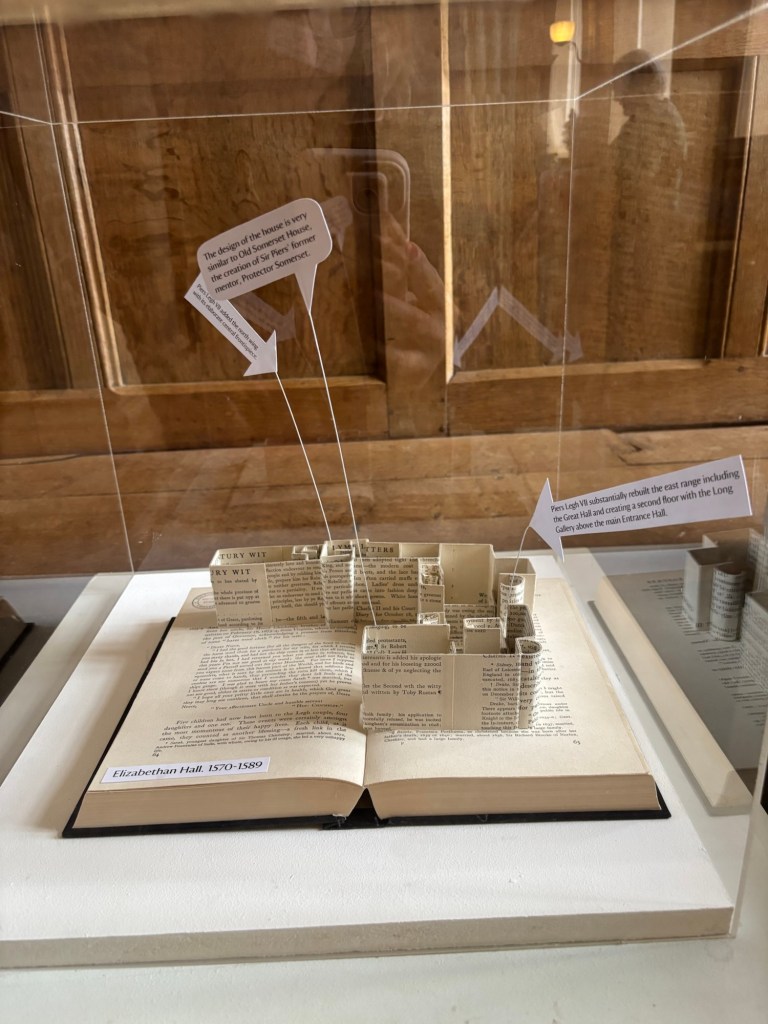
By this stage, Elizabeth I and all her ruffles was on the throne, and it was all about appearances so the North Wing of the house with all its grandeur was built, leaving the rest of the house lopsided but hidden behind.
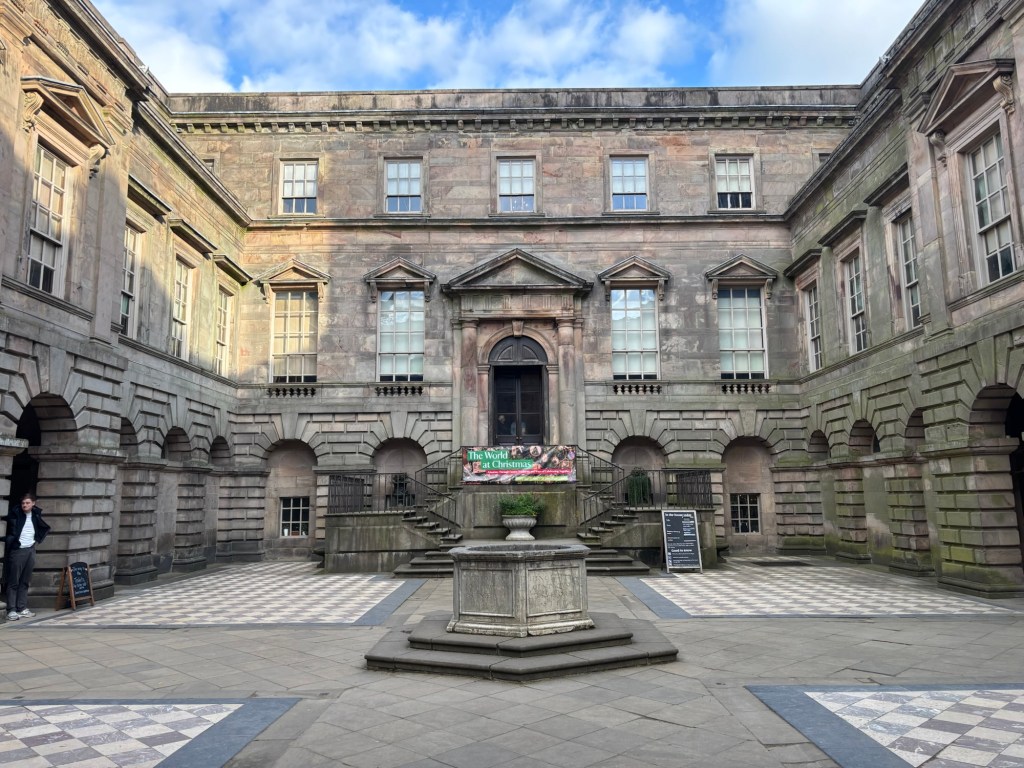
Over the next 100 years, the next two descendants (no prizes for guessing their names) built up the house to create the courtyard in the centre, although it was only when number 12 and his wife were in charge (and the name had morphed into Peter rather than Piers) that the Italian style courtyard seen today was installed.
In more modern history, the house passed from William Legh to another Thomas Legh in 1898 – the one who had the New Years Eve parties as you’ll see shortly – but his time owning the house saw huge changes. During WW2 large parts of the estate were requisitioned by the Air Force, and the Coal Act of 1938 ceased the main form of income for the Legh family.
In 1946, unable to afford to keep the estate, it was passed to the National Trust along with 1,300 acres. It was leased to Stockport Borough Council, until 1994 when it began to be opened to the public.
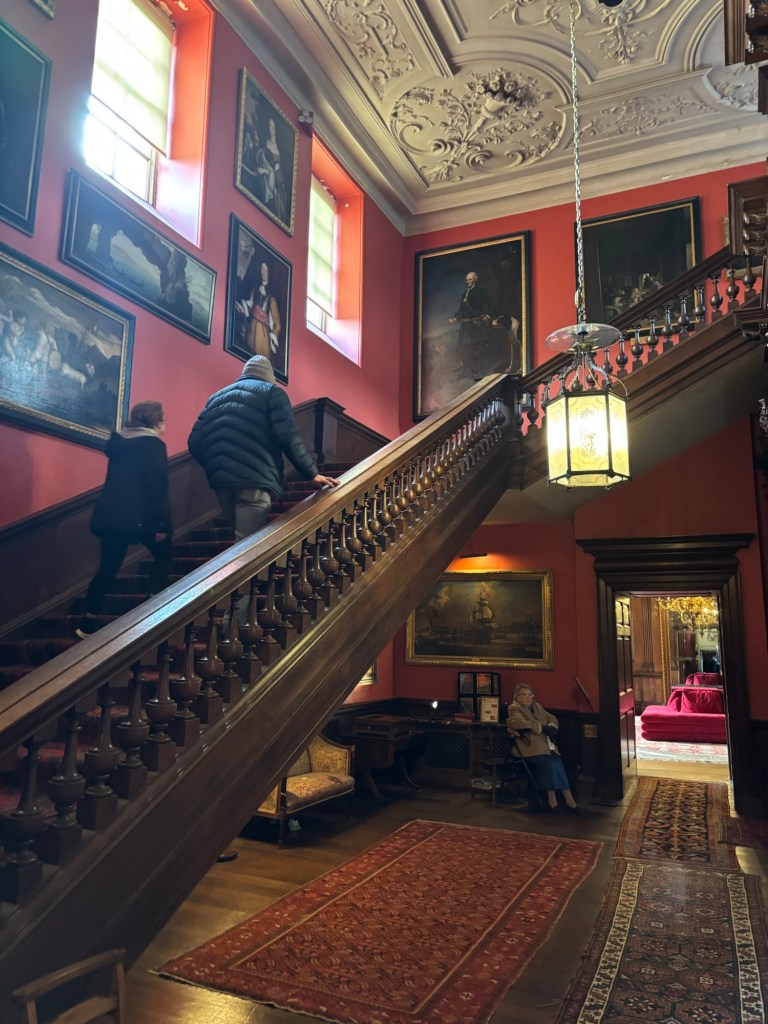
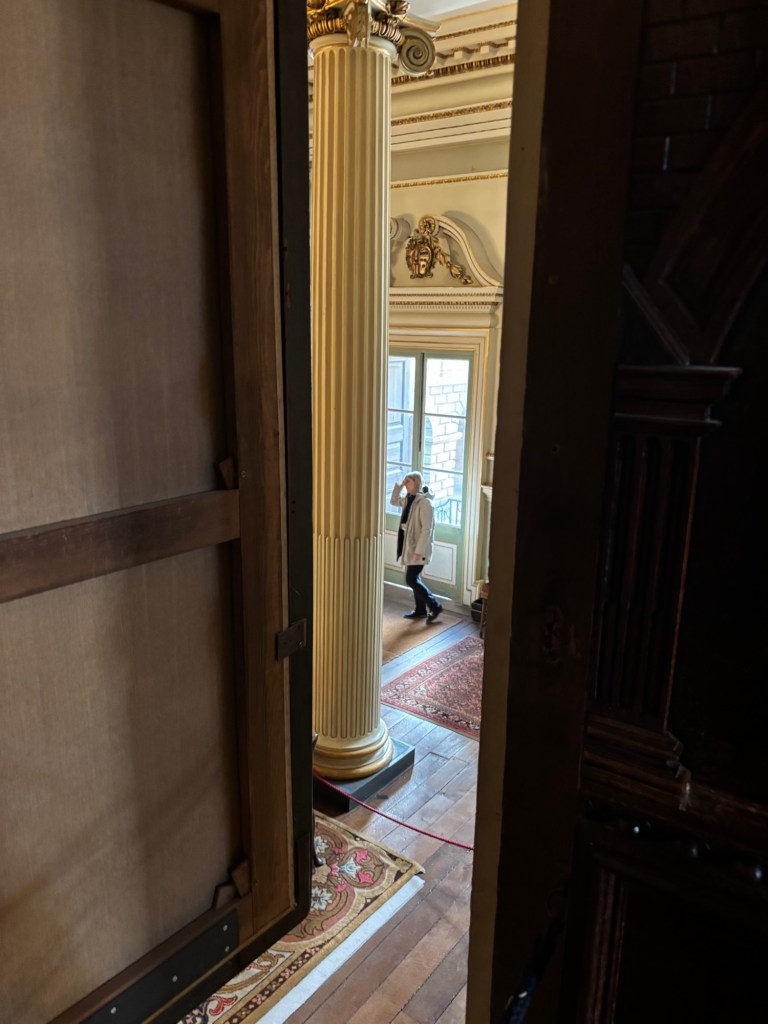
I’ve not even mentioned my other favourite part of the house – the ‘squint’ – the 1800s version of a Ring doorbell and straight out of a Halloween movie. The inconspicuous painting of the Black Prince in the entrance hall has an incredibly rare device which allows it to swing back on an arm so you can check out who’s at the front door before having to go and be sociable. Genius.
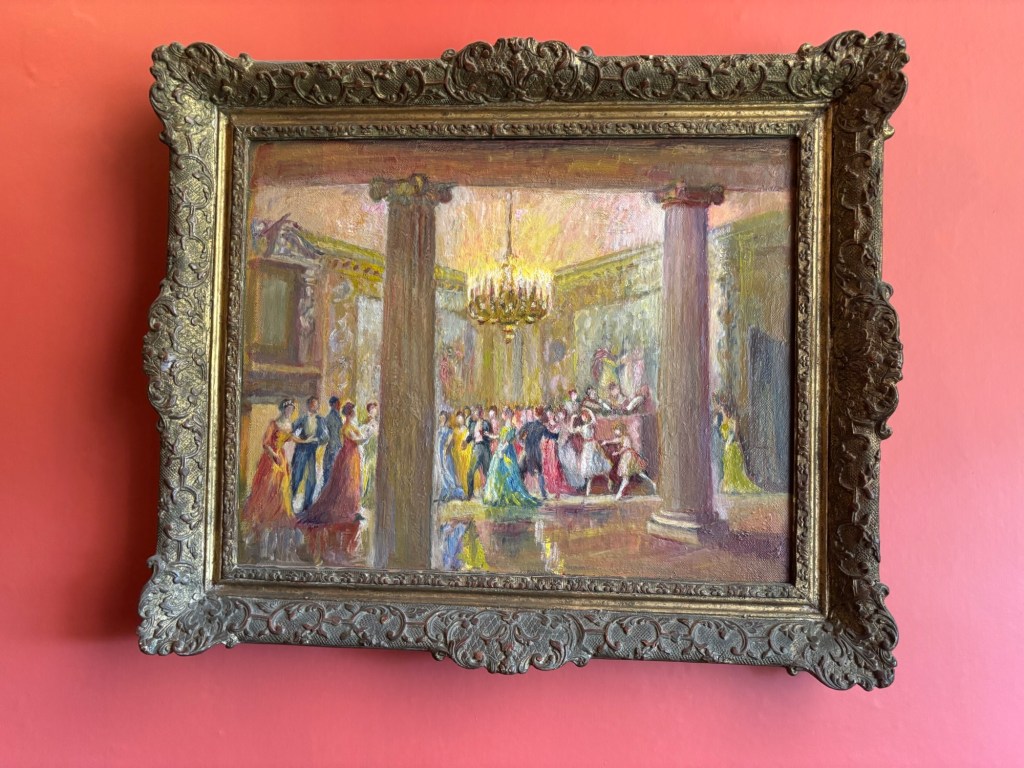
It was also used in the early 1900s to greet guests at midnight on New Year’s Eve as part of an annual ball thrown at Lyme, and a painting of such events still lives at the house.
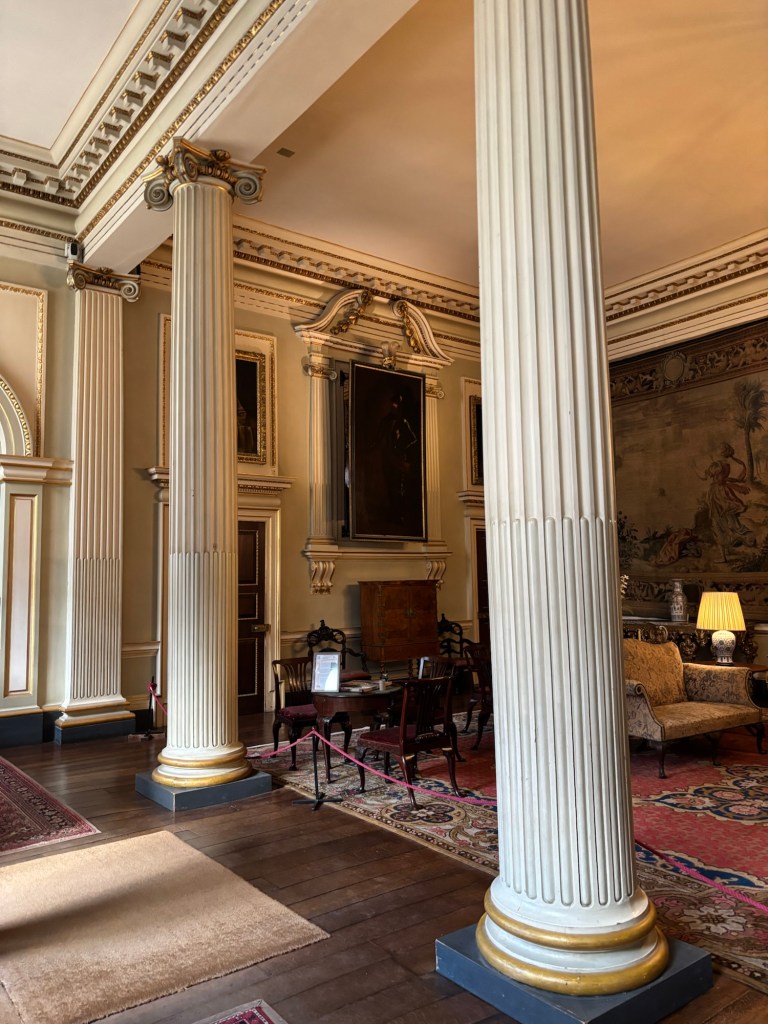
Of course with an estate this vast, there is so much more to see than just the stately home – if anything, the gardens and estate are even more impressive than the main house, and could justify a post for themselves, but here is a quick summary:
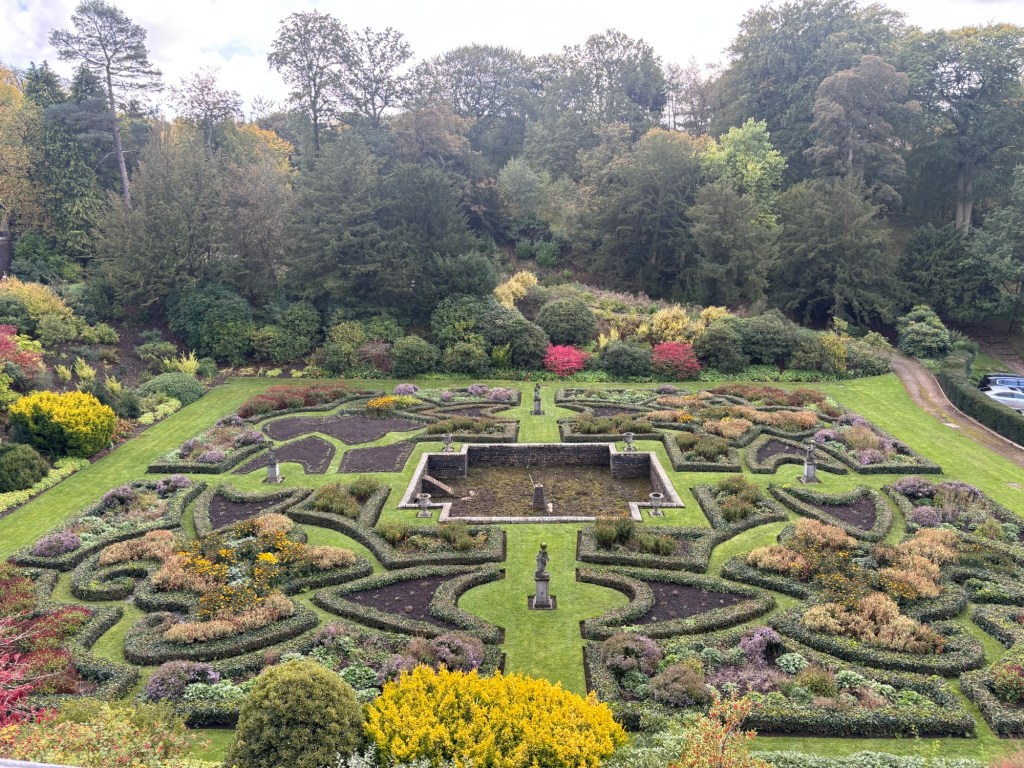
- The ornate Italian Garden
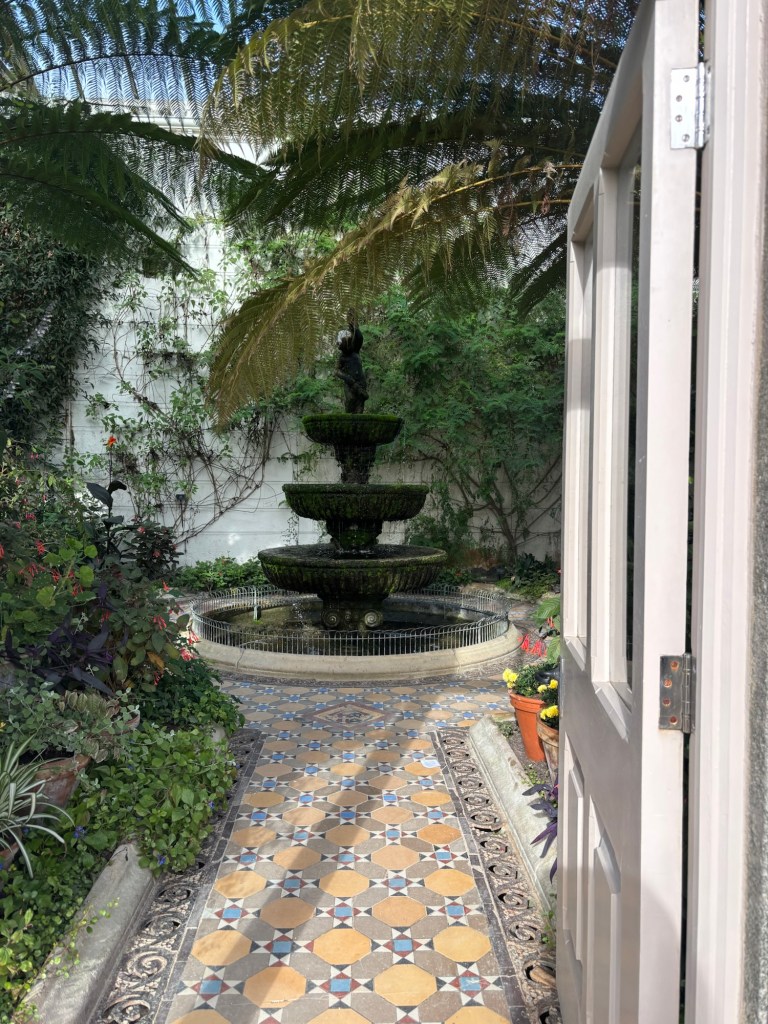
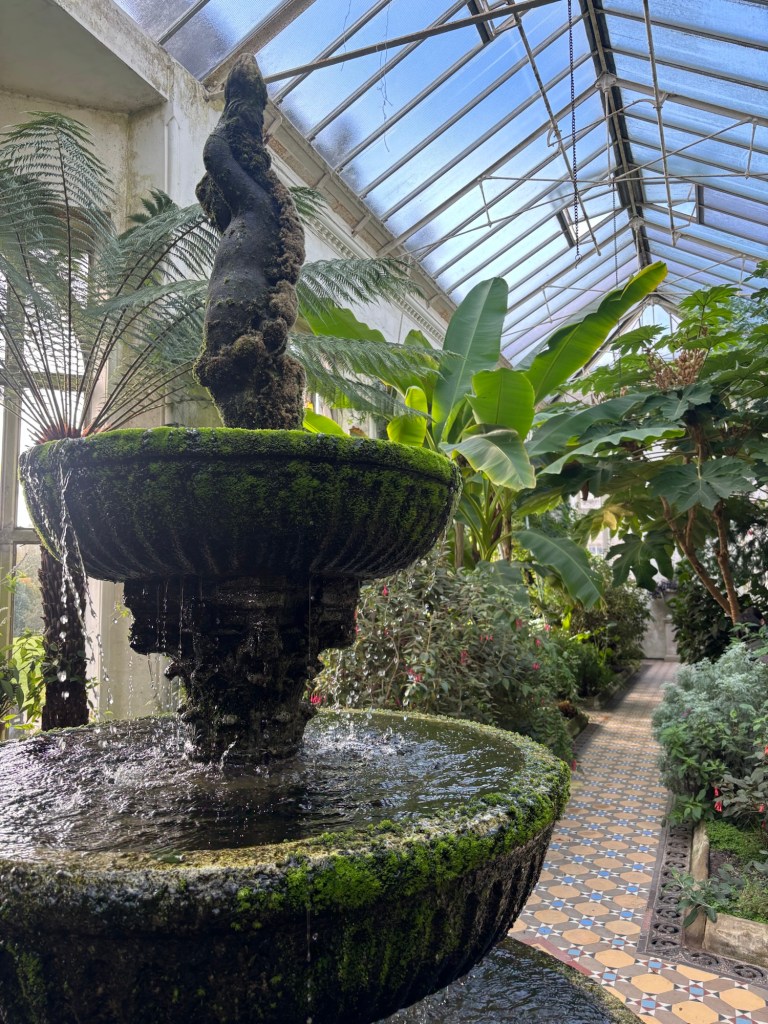
- The Orangery – always my favourite place of any of these estates – quiet, warm, light and full of plants. This one was the ultimate dream as it had a fountain.
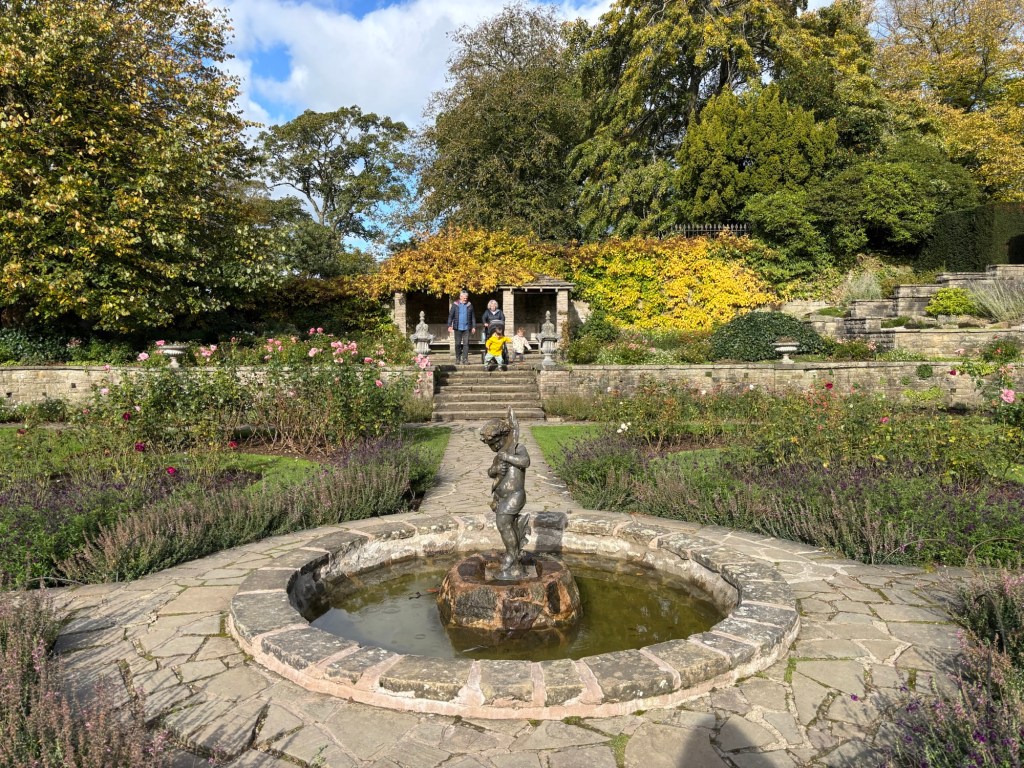
- The Wyatt rose garden, named after the key architect who made Lyme what it is today. They must have really liked him to name a whole garden after him. Also assuming that’s a cherub in the fountain and not a baby version of Wyatt, which would be weird.
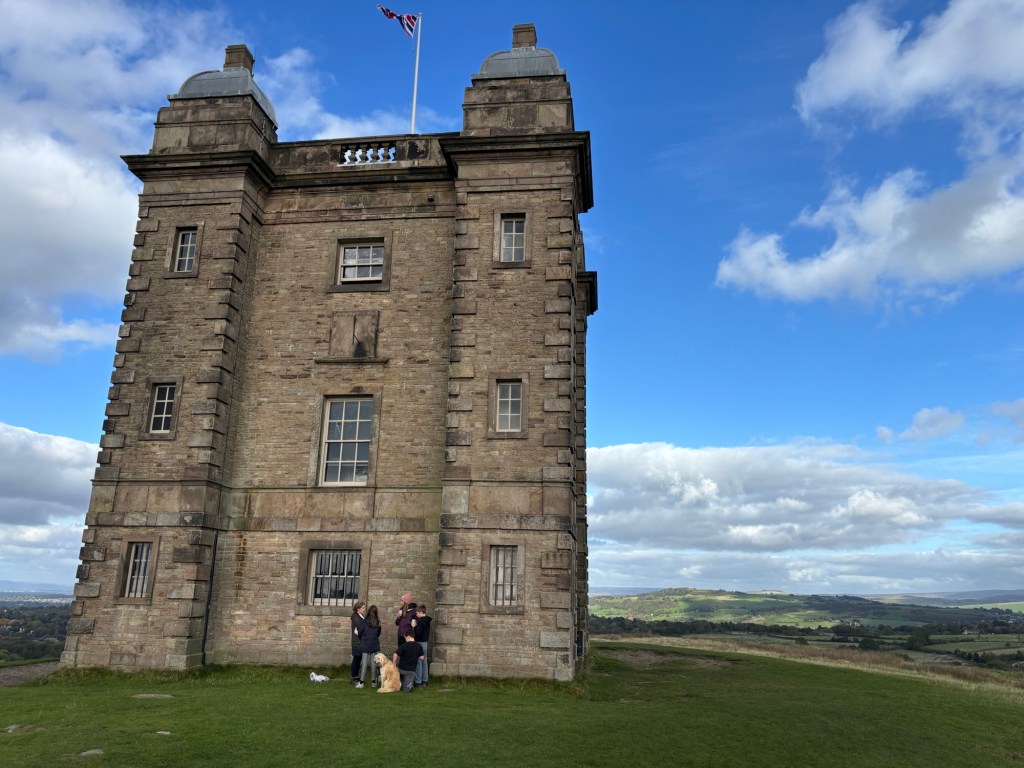
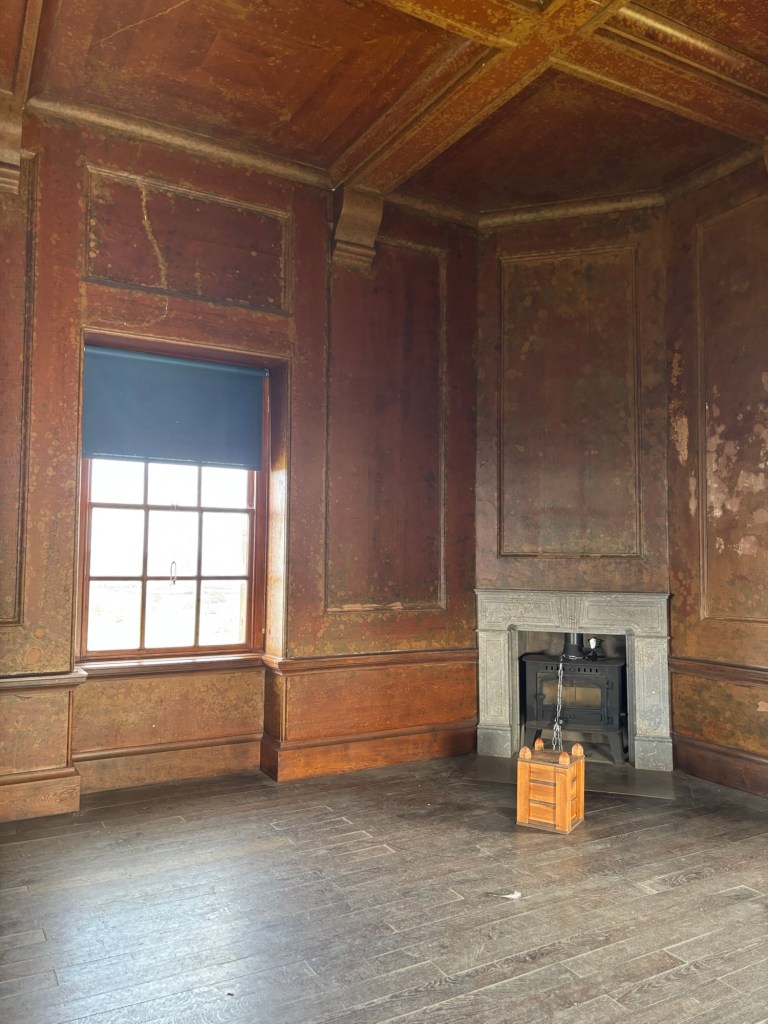
- The Cage – a terrifying name for a very nice glorified lookout with views across both Manchester and the edge of the Peak District. A building has been on this spot on the estate for as long as historical records allow as it’s a prime spot to look out for enemies and more importantly during hunting season, deer. Used as a hunting lodge and banqueting hall primarily, occasionally as a temporary holding cell for captured poachers, and again as a lookout in World War II, it is one of the first things you see as you drive up the mile-long driveway, and sets the tone for the grandeur of Lyme.
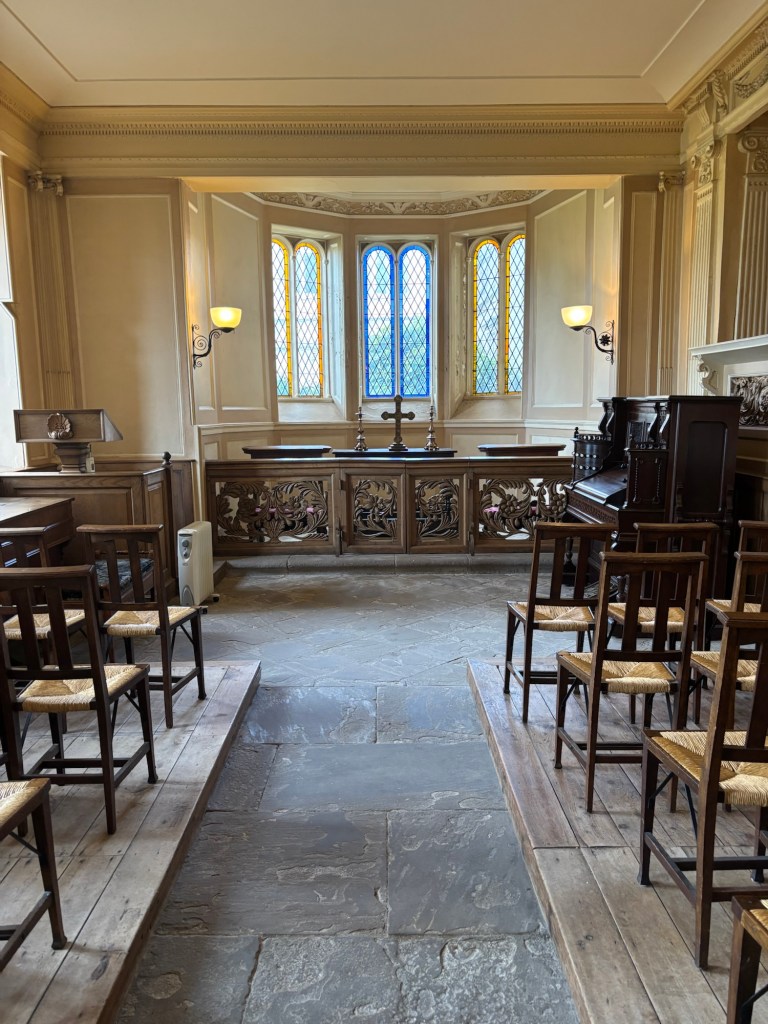
- The Chapel – in the basement of the house, simple on the surface but with ornate carved balustrades and a separate section for the family to sit in, away from the plebs.
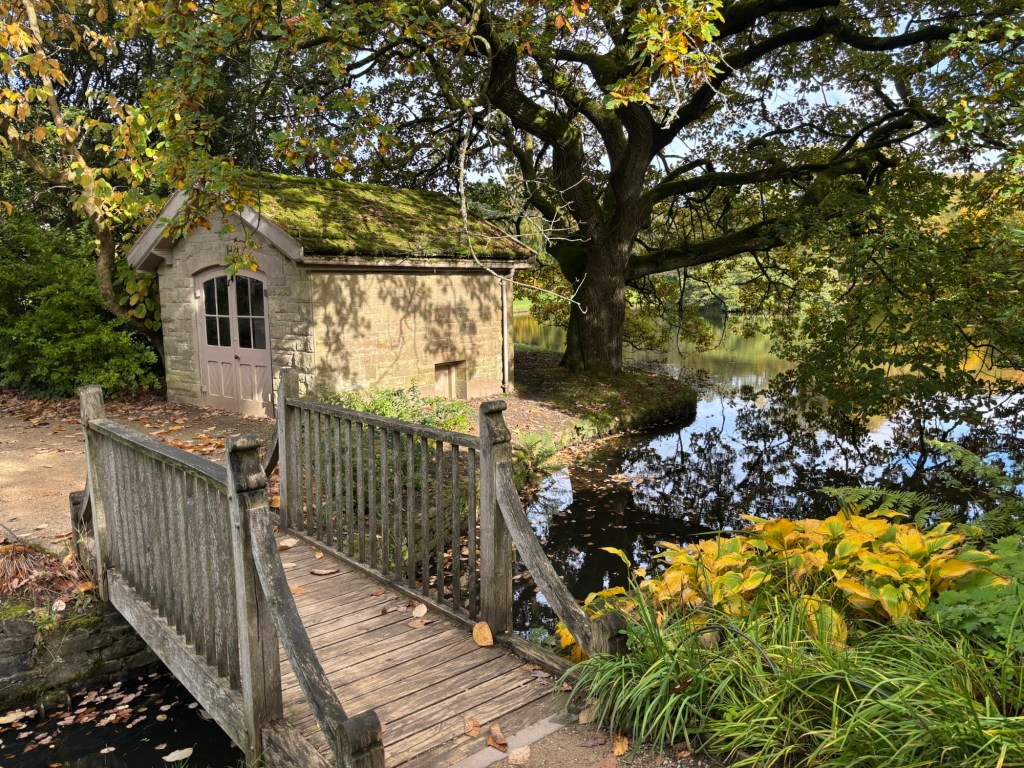
- The Pump House on the lake – mainly there in case of needing to get water to quench a fire in the house but, like everything else at Lyme, looks beautiful too.
And there is still more that we didn’t get to including the myriad of walks across the estate, the Lantern building on the hill, or up to the protected deer sanctuary, so it’s clear that Lyme needs either a full day to fully explore, or multiple visits – which is no hardship when it’s such a beautiful place.
Verdict: Absolutely vast and very beautiful estate steeped in history, primarily owned by men called Piers.