Throwing my little car into hedges and narrowly avoiding getting wedged in ditches can only mean one thing – we’re back National Trusting!
Kingston Lacy is a veritable treasure trove of history, art, architecture and horticulture, each room revealing a remarkable artifact or unexpected slice of history.
From the two statues of former owners Sir John and Lady Mary Bankes, designed and crafted by the same Edwin Landseer responsible for the lions guarding Trafalgar Square in London, to a set of wooden doors belonging to a previous Pope which had once graced the Vatican. From the Egyptian obelisks which now live on the estates’ lawn, to the meticulously accurate Japanese garden complete with an Acer grove. The entire property is a thing of beauty, which makes it even more painful that the man responsible wasn’t allowed to live in it. But I’m getting ahead of myself.
A house has stood on the Kingston Lacy estate since the Medieval period, and for many years the lease of the property was used by reigning monarchs as a gift bestowed upon only their favoured allies, including the family of Lady Margaret Beaufort – the woman who later became mother to King Henry VII.
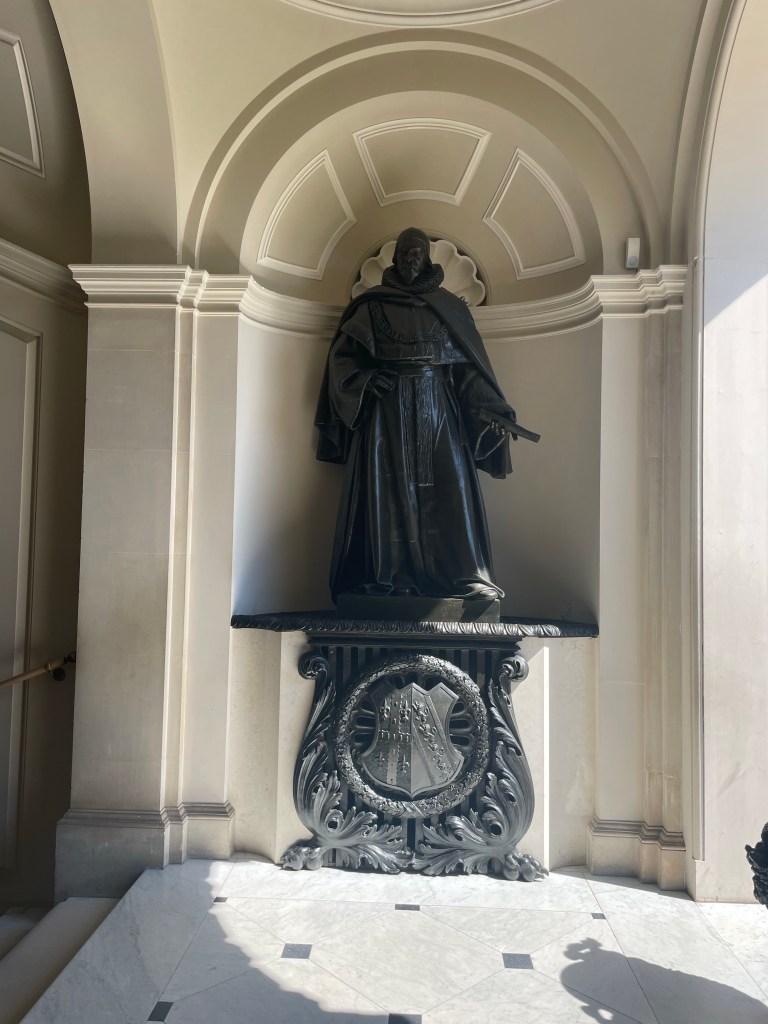
Eventually it came to be owned by John Bankes, Attorney General to King Charles I, who was the man who also owned Corfe Castle. As we discovered on our visit to Corfe earlier this year, staunch Royalist Sir Bankes died during the Civil War, leaving his wife to hole up and defend Corfe Castle from two sieges. The two statues now found halfway up the stairs commemorate their dedication to the monarchy.
After a brief couple of years in the hands of a Duke, Kingston Lacy was returned to the Bankes family who carried out various renovations over the years, none of which particularly notable until the arrival of William John Bankes who set about transforming the house into a Venetian palace.
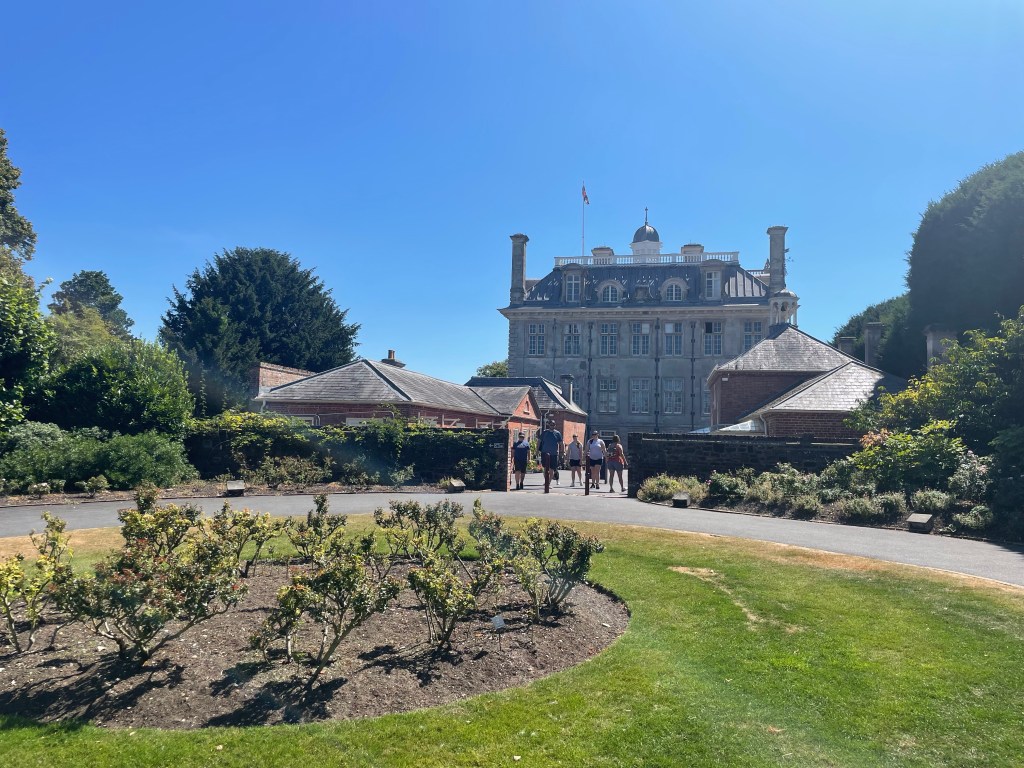
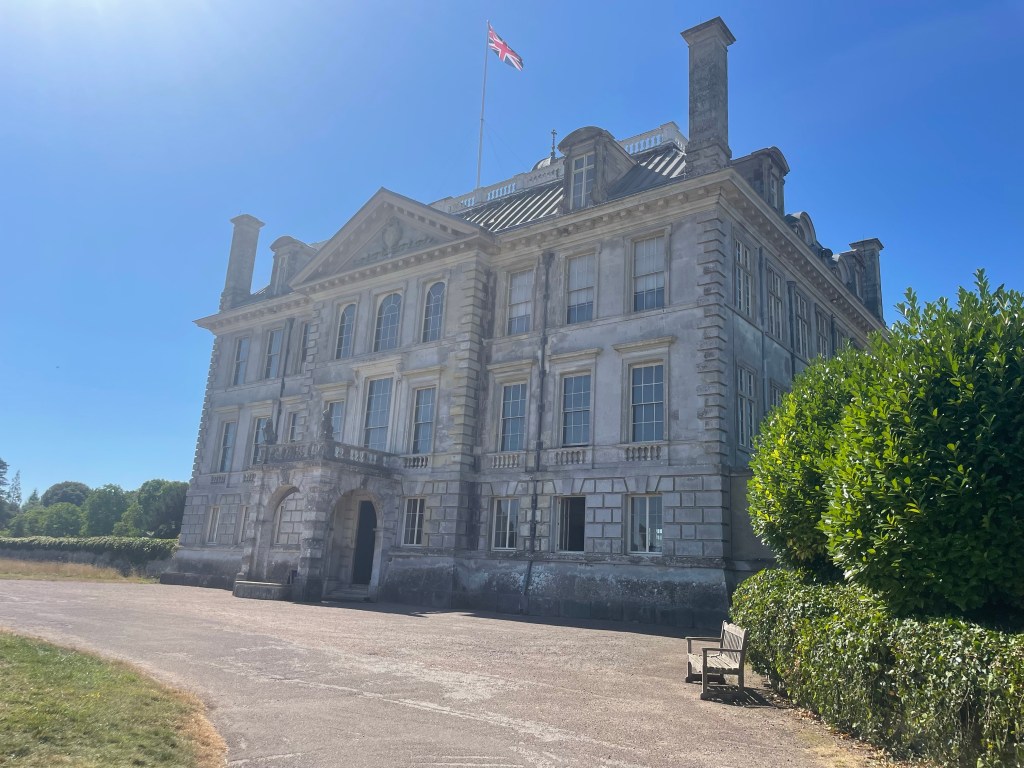
Originally built from two million red bricks, the house was clad in light grey stone. A grand entrance hall was created from what had previously been the cellar, and as already mentioned huge floor-to-ceiling double doors from the Vatican and belonging to the outgoing Pope were installed in the main hall at the centre of the house. He even had an organ installed in the dining room, although it’s not clear why. Probably because he could.
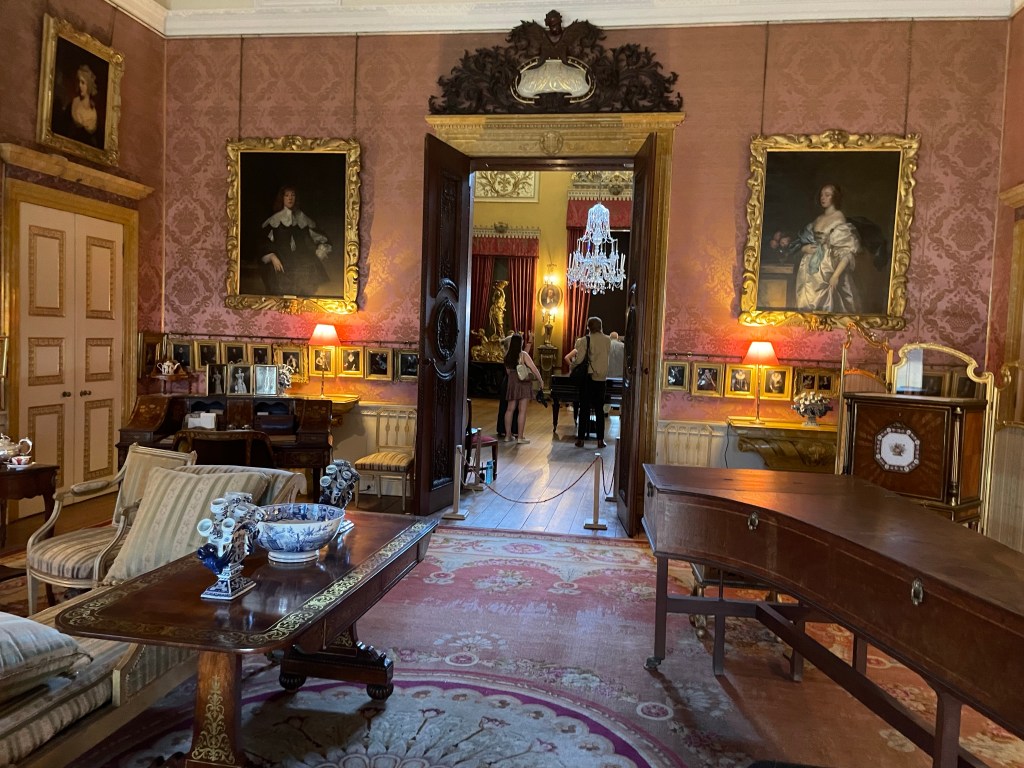
Unfortunately William John was better at interior design than he was at discretion, particularly when it came to his love life. At the age of 47 in 1833, thanks to family connections he narrowly escaped punishment for being caught having sexual relations with a man. He was not as lucky in 1841 when he was caught a second time, this time with a soldier, and was exiled to Italy.
Undeterred, William John continued to remodel the house from 1,000 miles away, often using the treasures he had taken from Asia and Egypt such as the obelisks and busts.
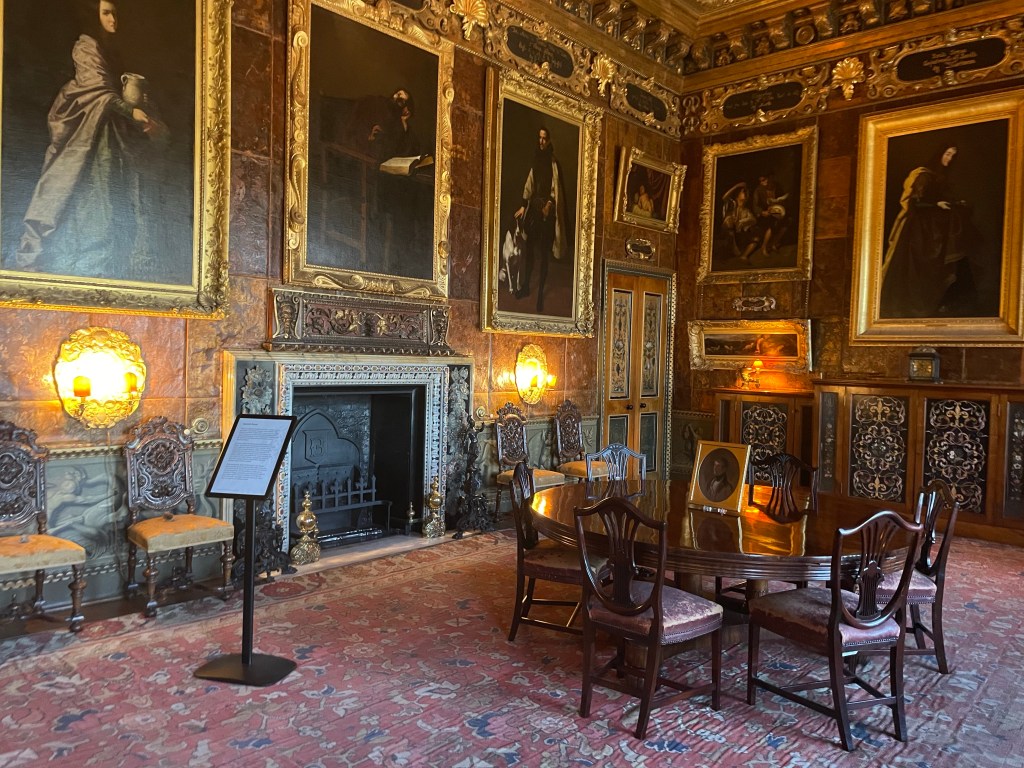
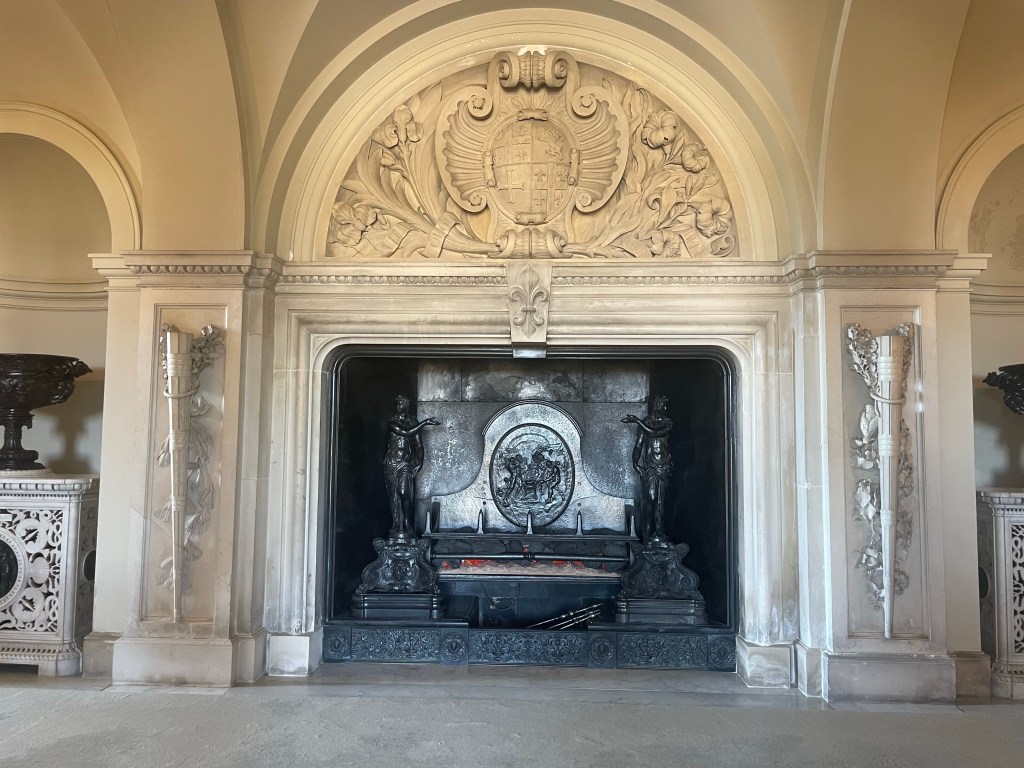
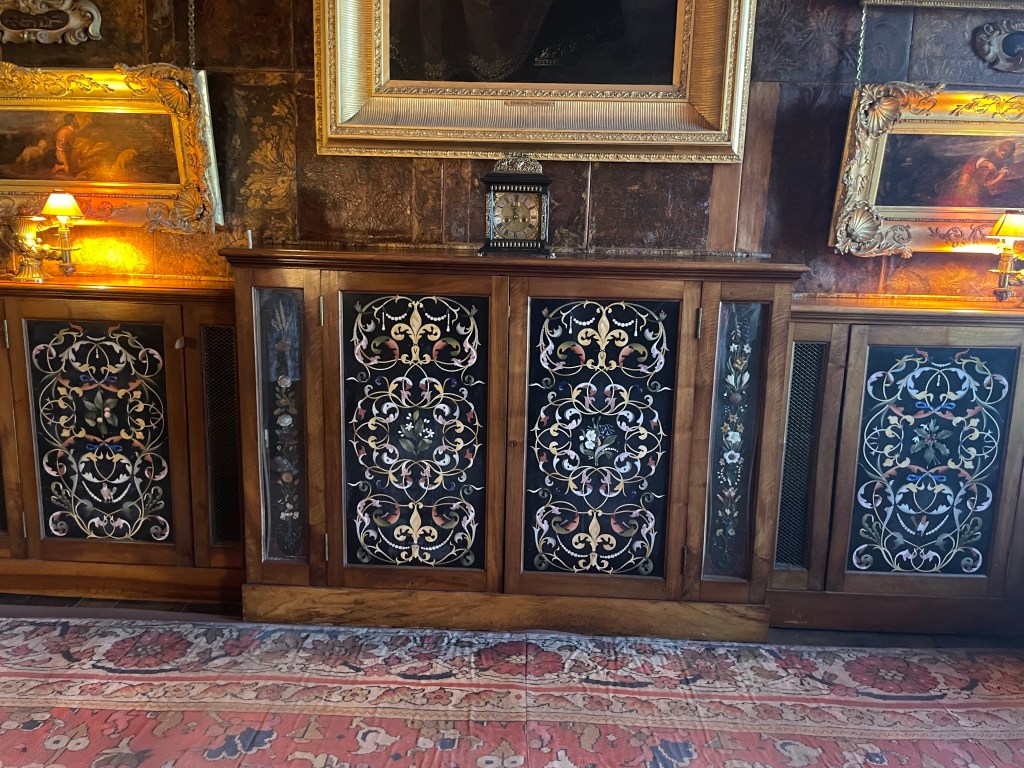
One room in particular – known as the Spanish Room – was designed entirely by William John in his 14 years of exile, which is a truly impressive feat given the intricacies of the room such as the tiled fireplace. In addition he designed a beautiful radiator cover with a complex pattern, each panel encapsulating one of the four seasons, and the had it shipped across from Venice to complete the room.
William John never officially returned to Kingston Lacy to see his handiwork, although there are rumours that he may have come back for visits on various Sundays for less than 24 hours when he knew he was less likely to be caught. So sadly, he never got to live in the palace he had painstakingly curated, and he died in Italy in 1855 aged 66.
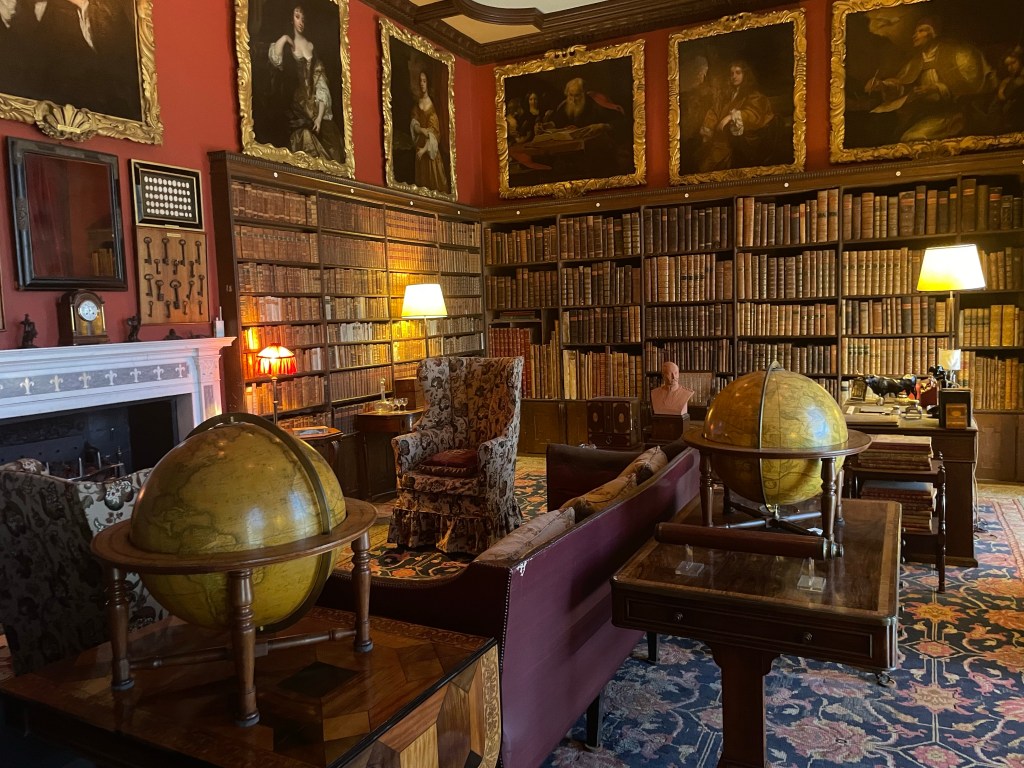
As per usual, I fell in love with the library, originally built in the 1780s, now housing the National Trusts largest collection of early books, and I couldn’t help but feel a kindred connection through the centuries with William John’s widowed sister who insisted the room should escape his renovations and remain the dark, studious sanctuary she loved.
The house was bequeathed to the National Trust in 1982 after the death of Ralph Bankes, as part of the enormous estate which also included Corfe Castle, and thankfully his will determined that all the artefacts in the house should be included and not sold on, which allows the Trust to keep the house as grand as it was when the Bankes were alive.
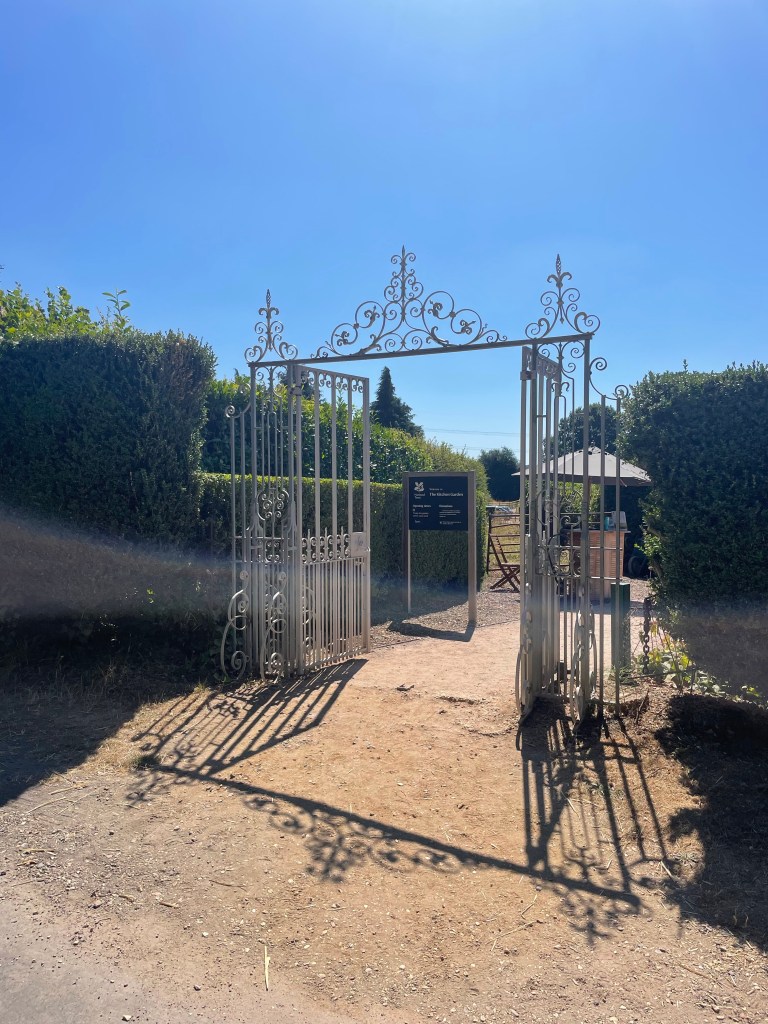
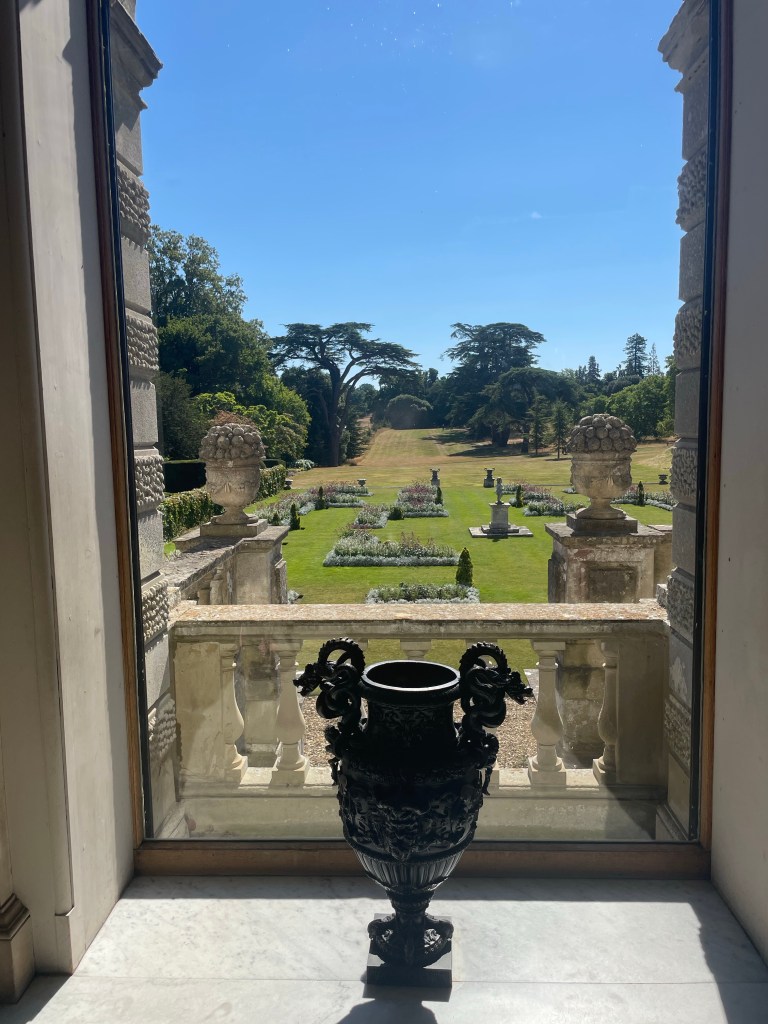
The gardens at Kingston Lacy are almost as impressive as the house. At the top of the estate is the Kitchen Garden, which must be the footprint of a football pitch so not exactly your average allotment, which includes potting sheds and peach trees growing up the walls within elegant white cast-iron greenhouses.

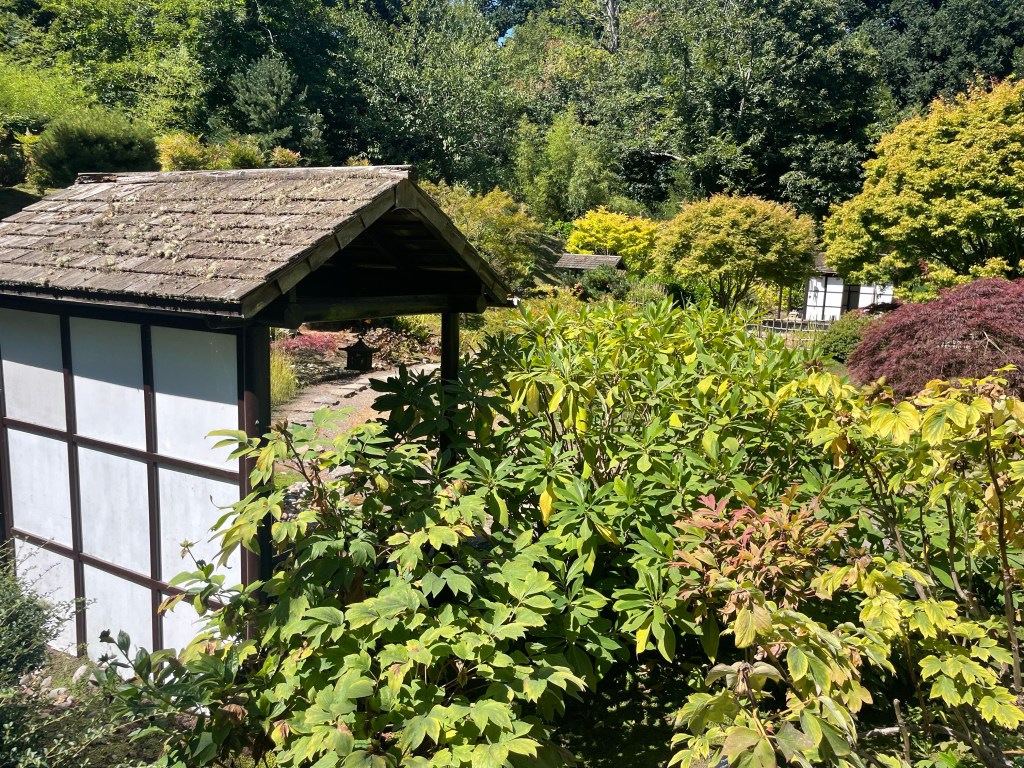
Deep in the estate’s grounds a compact Japanese garden can be found, with an enclosed traditional teahouse, trickling waterfall and tinkling windchimes. It’s beautiful, but obviously incredibly fragile, and therefore must be viewed from outside a protective fence. But it’s such a peaceful place to stand and rest, before meandering through the Acer grove and bamboo forest back towards the house.
Verdict: Intricately curated house and gardens rich with human history and heartache. Come planning to spend a full day.
 A Year of Trust