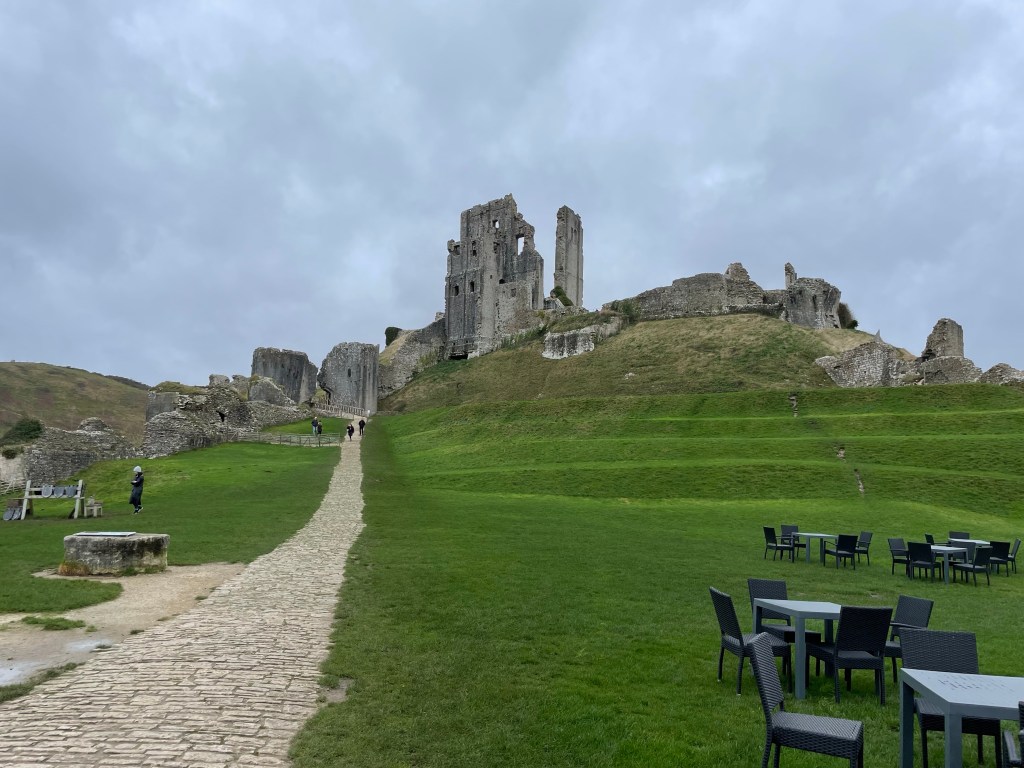
Standing among the ruined battlements at the top of the hill, wind whipping around my coat and stinging my eyes, it’s easy to imagine how uncomfortable life in Corfe Castle must have been for its inhabitants over the last 1,000 years.
And yet by the same token it’s also easy to see why the site has been so popular with royalty, nobility and armies for all that time. Take away the traffic thundering along the nearby A-road, the steam train carting tourists across a viaduct and the strings of power cables draped across the landscape, and you’ve got an endless view of rolling green fields and wandering sheep. It’s the perfect location to defend a kingdom from.
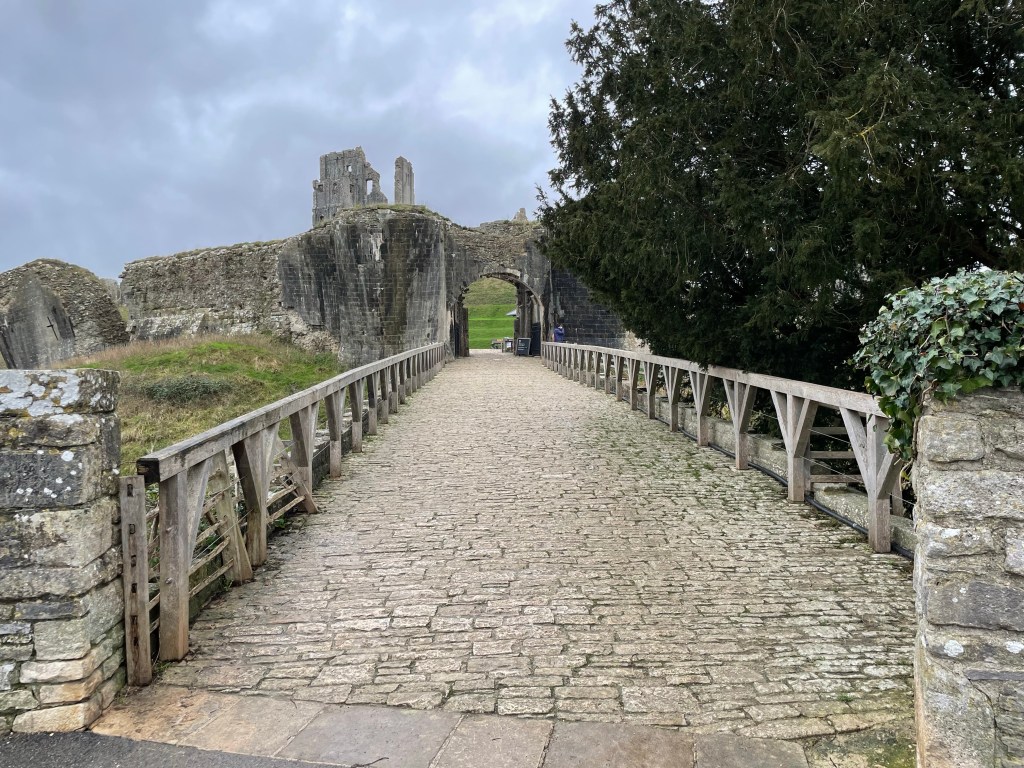
The first known owner of the land and the beginnings of Corfe Castle was none other than William the Conqueror. In 1086, William swapped a church in Gillingham for this hill in Wareham and began constructing the castle in the traditional medieval Motte and Bailey style, but unusually including stone as well as the normal timber and earth.
In the years that followed, the castle was added to by its various owners: Henry I tacked on a Keep to imprison his brother who was after his crown; King John added a royal residence; Edward I the gatehouses and Henry VII headed up home improvements.
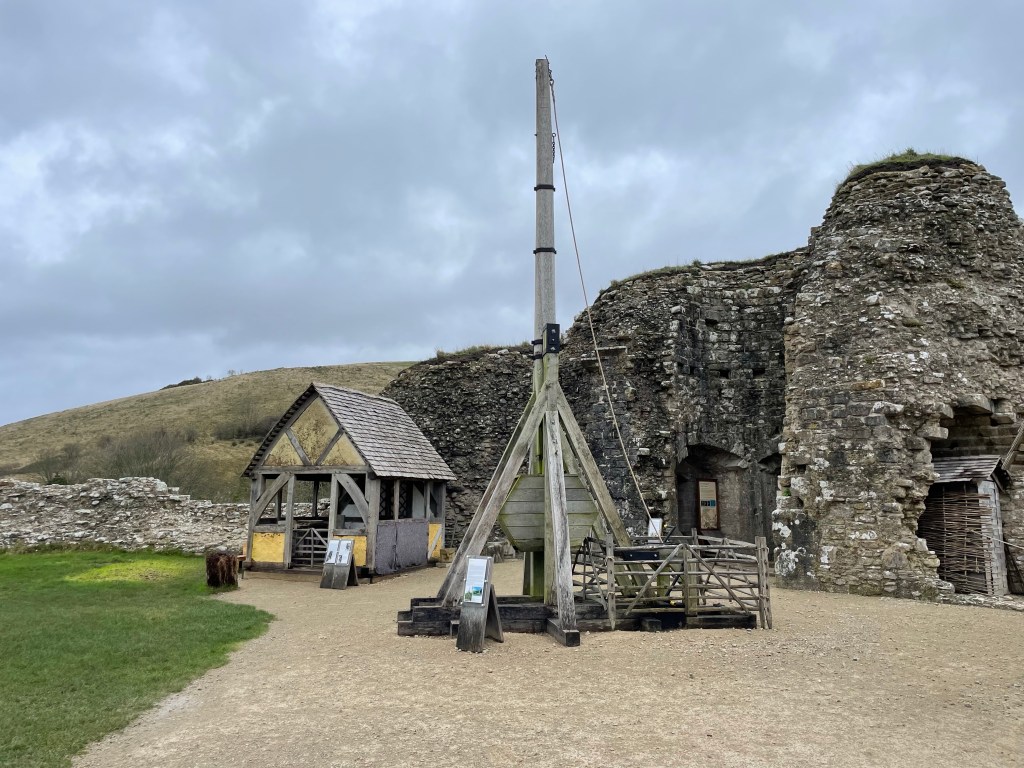
In that time it saw off plenty of infiltration attempts and the odd siege, including with trebuchets hurling bloated dead animals and bee hives along with stones and burning tar.
While an undoubtedly safe place to live, life at the castle would have been bleak for much of its existence and it’s hard to imagine what an assault on the senses it would have been.
A sign in one of the few remaining stone rooms, the garderobe, explains how servants would hang their flea-infested clothes under the wooden floor of the long drop toilet overnight – protected from the majority of the excrement but not from the stench. Unbelievably, the smell was so awful it would kill the fleas, and the servants would shake off the clothes and they were ready to be worn.

As the Tudor era progressed, Corfe Castle became one of the many second homes belonging to Queen Elizabeth I, until it was sold in 1572 to Sir Christopher Hatton.
No castle history is complete without a kickass woman, and in the 1640s ‘Brave Dame Mary Bankes’ firmly took that title when she held off two Civil War sieges and Corfe Castle became the last Royalist stronghold in the whole of South West England. Sadly, Brave Mary couldn’t hold out forever, and when the Parliamentarian forces eventually captured the castle, they destroyed it so that it couldn’t be used again.
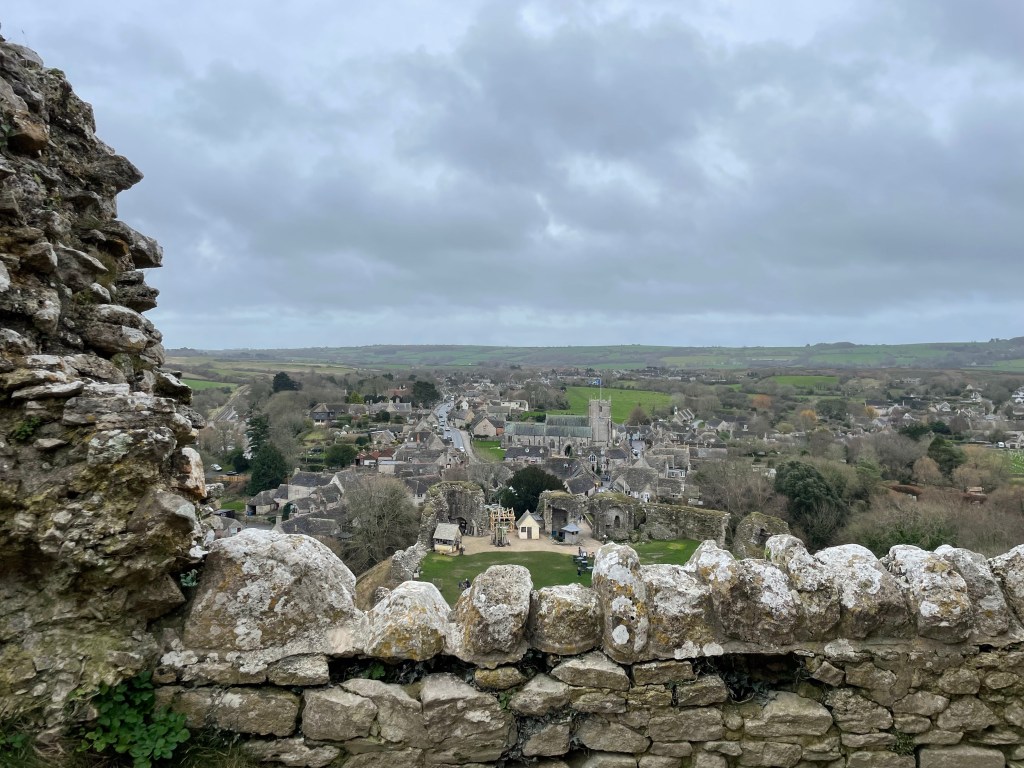
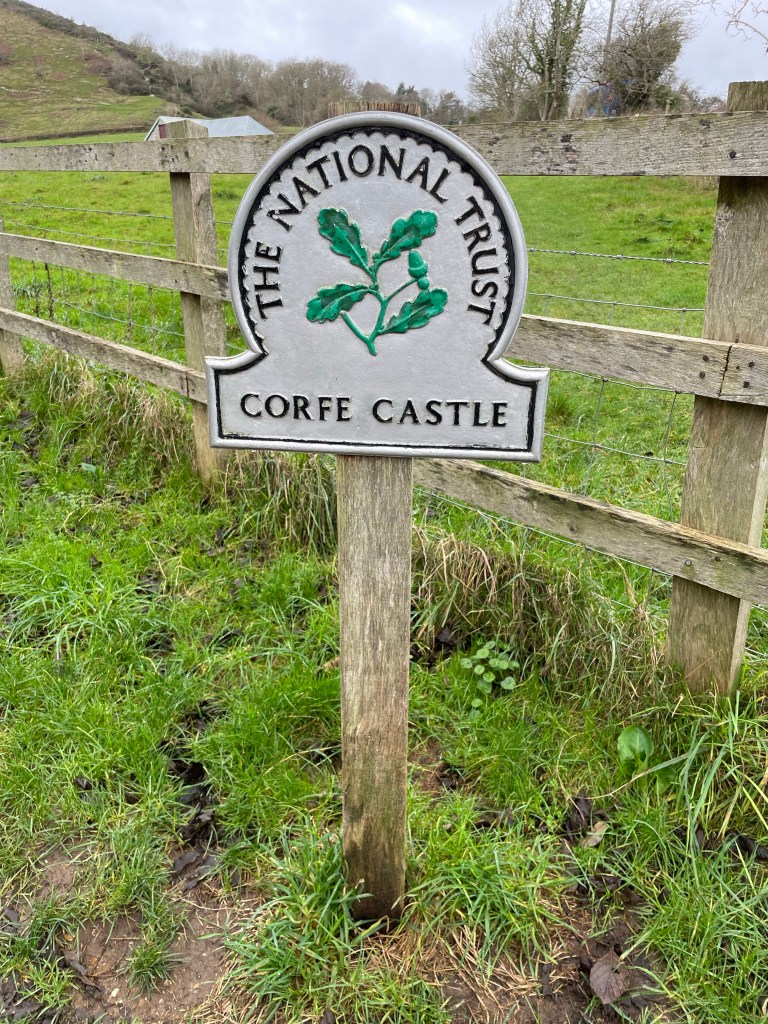
In 1982, the Bankes family, who had owned the castle for 350 years, bequeathed Corfe Castle and all its surrounding land to the National Trust.
These careful custodians have done an excellent job of bringing the castle to life today, thankfully without the smells. A full-size model trebuchet is available to view and is occasionally put into action, and huts, workshops, fences and gates are as close to the original designs as possible, giving the visit a real sense of authenticity.
A word of warning, before you boldly press one of the information points in the castle grounds, be aware they are exceptionally loud and will attract surprised looks from all other visitors between there and Wareham.
Verdict: Great place to bring Motte and Bailey castles to life, and be served a reminder of how fortunate we are to live in the 21st Century. Teashop has typically excellent scones.
 A Year of Trust