
The winter months are a challenging time to go National Trusting. Between January and March/April most properties close up and hibernate to allow the coldest days to pass, and those venues that are open are mostly outdoors, thus leaving visitors more reliant than ever on the weather.
Thankfully, my birthday visit to Clumber Park in Nottinghamshire was blessed with the jackpot of January days – a cold, crisp, frosty, azure-skied, sunny morning.
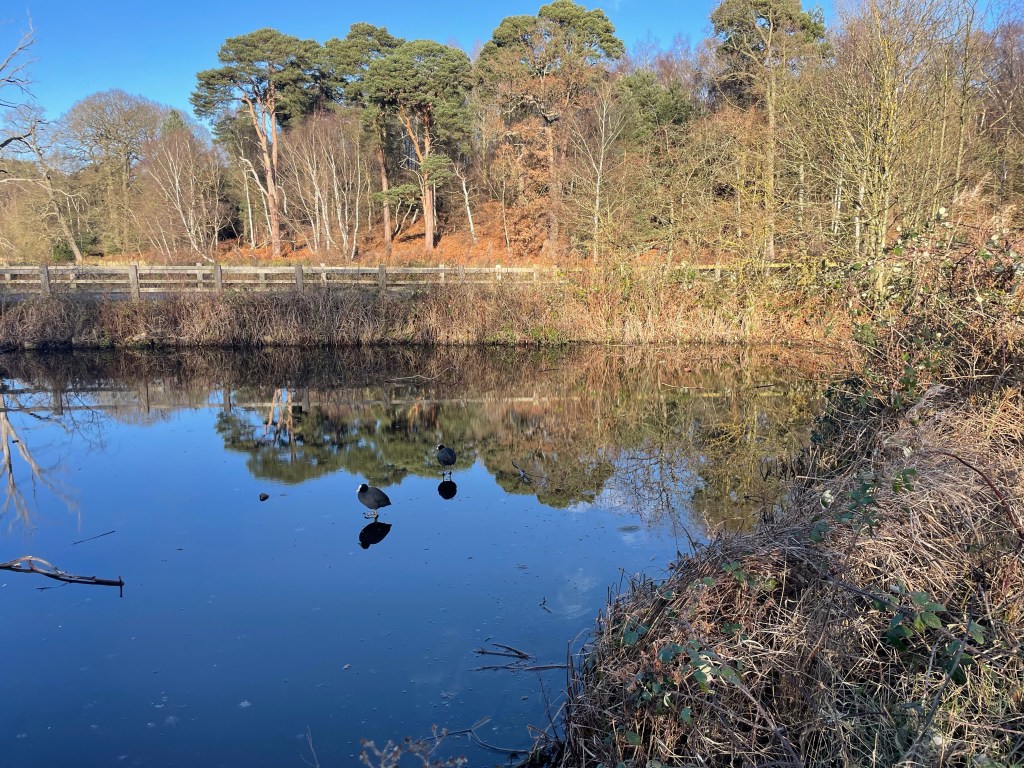
In fact it was so cold that parts of the lakes and all of the ponds had frozen over, leaving bemused moorhens to pad around on the ice, wondering where their normal home (and presumably breakfast) had gone.
The first thing you need to know about Clumber Park is that it’s enormous. Really enormous. 3,800-acres enormous. In fact it’s so enormous there are multiple entrances, several car parks and miles of road within the park itself, so save yourself from driving round aimlessly like me and choose a car park before you go – I ended up in the main one near the church and key facilities (eg. Cafe and shop).
I must warn history nerds, this is not a National Trust venue catering for you. This is a place for serious ramblers, dog walkers and long coffee catch-ups with baby strollers. The original house, gardens and historical beauty are gone, and there is sadly limited information about the site’s past, confined to a single room in a forgotten outhouse.
From what I could glean from the few wall panels: a great house was built in 1768 for the 2nd Duke of Newcastle-under-Lyme (so Staffordshire Newcastle not the whey aye one) and it was fancy.
Unfortunately the house was severely damaged by a fire in 1879 where, if the drawings are to be believed, servants were sent in and out of the burning building to rescue items that apparently had more worth than their lives.
Anyway, the devastating fire gave the owners the chance to rebuild the house to make it even fancier – this time including a grand library.
Clearly having learned nothing from the earlier fire (or perhaps trying to facilitate another remodelling), a second fire broke out in 1912. This one was smaller and nothing irreplaceable lost, but the accommodation did get a makeover.
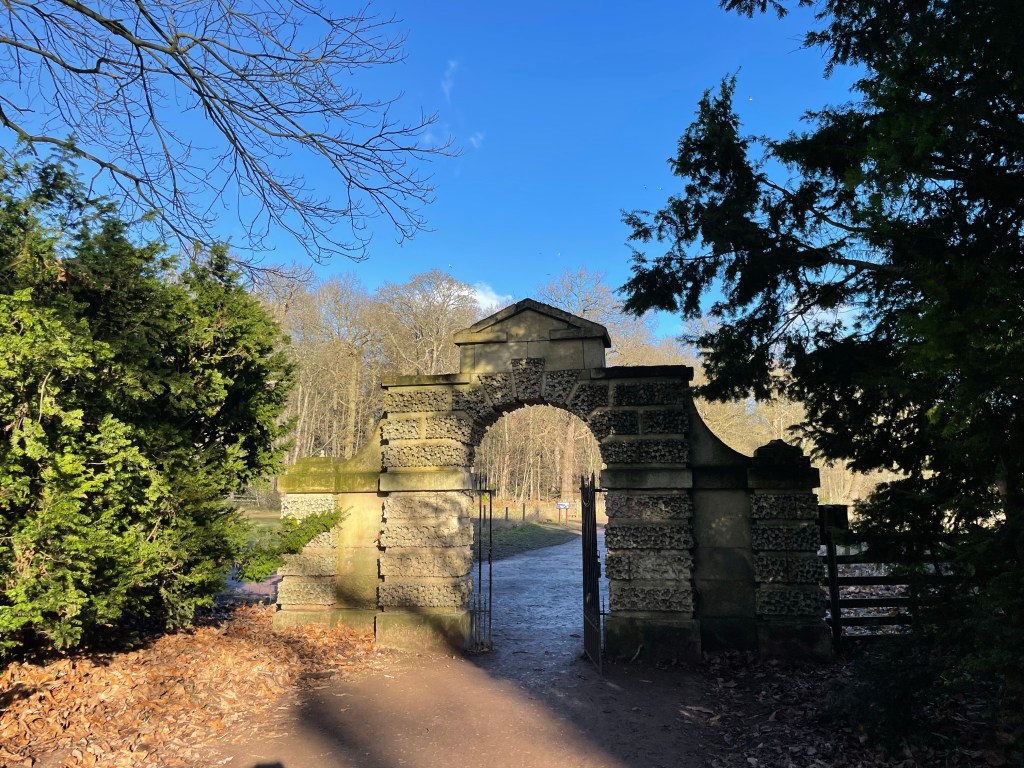
Just 16 years later when the 7th Duke of Newcastle died in 1928, none of his family wanted to take on the property, and so this magnificent house was simply closed up and left to rot. After a decade the house was demolished and everything, including the building materials it was made of, were sold off at auction.
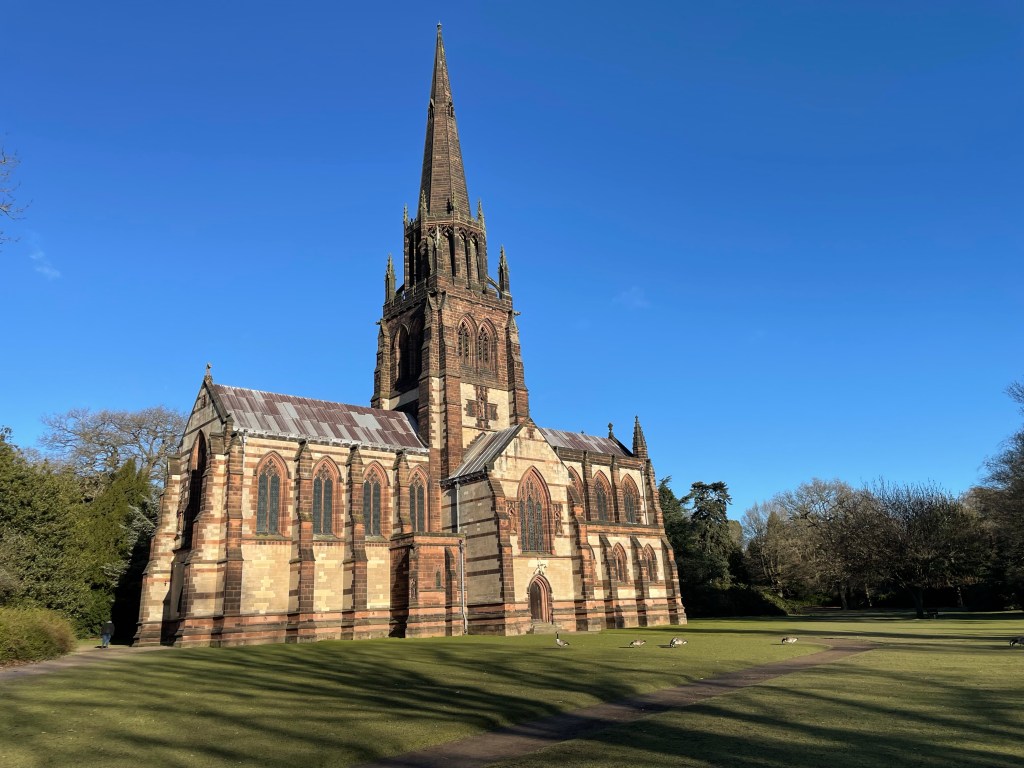
The Chapel of St Mary the Virgin, built in the late 1880s and featuring a 180ft spire, escaped the auctioneer’s gavel and still presides over the pleasure gardens – presumably to remind the Catholics and resident geese not to enjoy them too much.
The church still hosts services, but was closed for conservation on the day I was there so I admired it from the outside.
When war broke out, Clumber Park was commandeered by the War Department and used by the Army for training and as an ammunitions dump. The venue was then purchased by the National Trust in 1946.
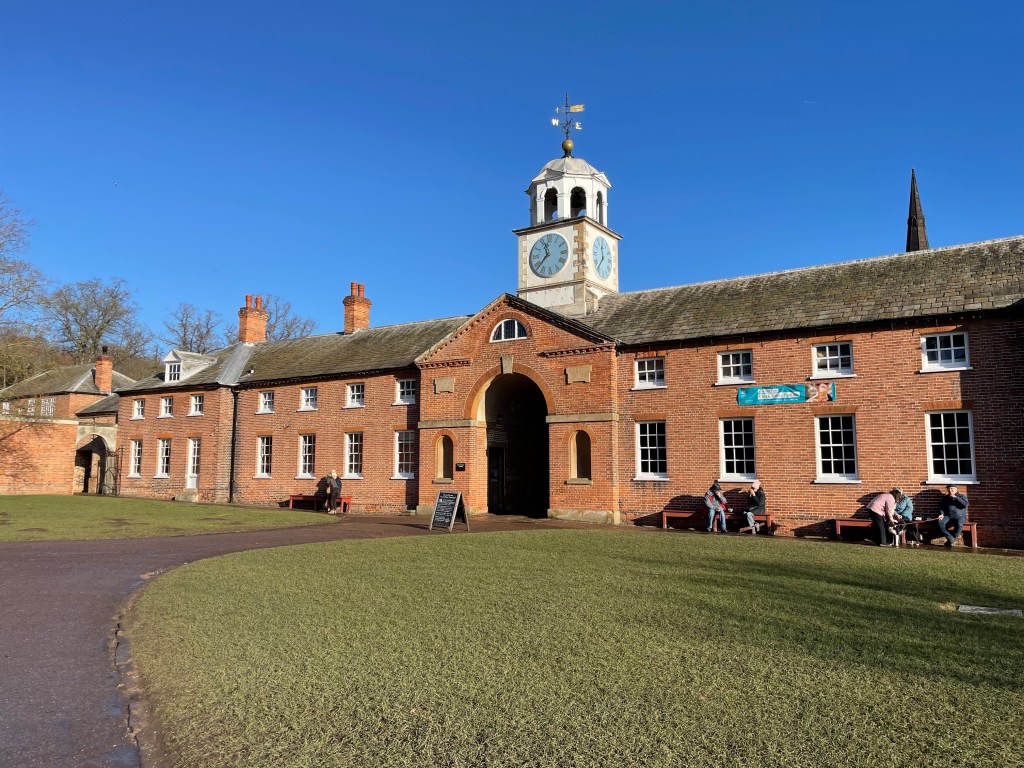
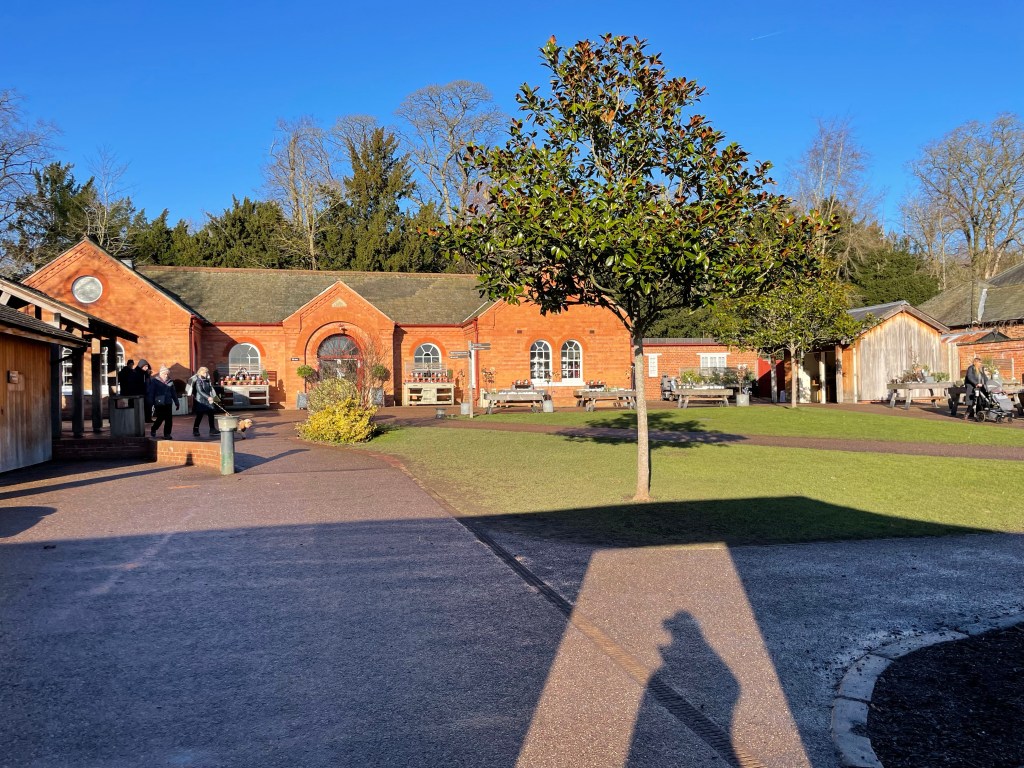
All that remains today of the house are a few outbuildings which are now home to the cafe and second-hand bookshop, and the ‘walled garden’ which sadly has also become a financial venture and is the National Trust shop and garden centre. It’s therefore very difficult to picture what any of the 150 years of the house would have looked like.
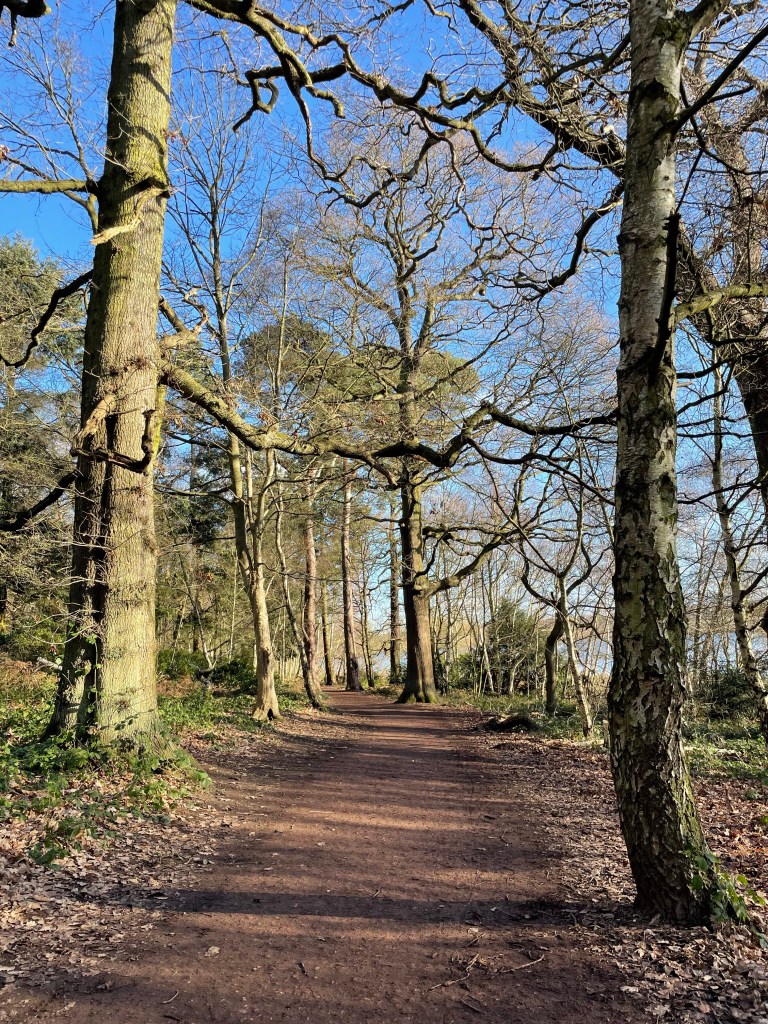
Nevertheless, I enjoyed a 3-mile walk around one end of the lake to Hardwick Village and back, and was grateful to see the park on such a sunny day.
Verdict: The National Trust venue you take your kids/partner/extended-family-who-came-for-the-weekend-and-won’t-go-home to when you’ve had enough of them and want to lose them. Or you want a really long walk. History nerds will be disappointed.
 A Year of Trust