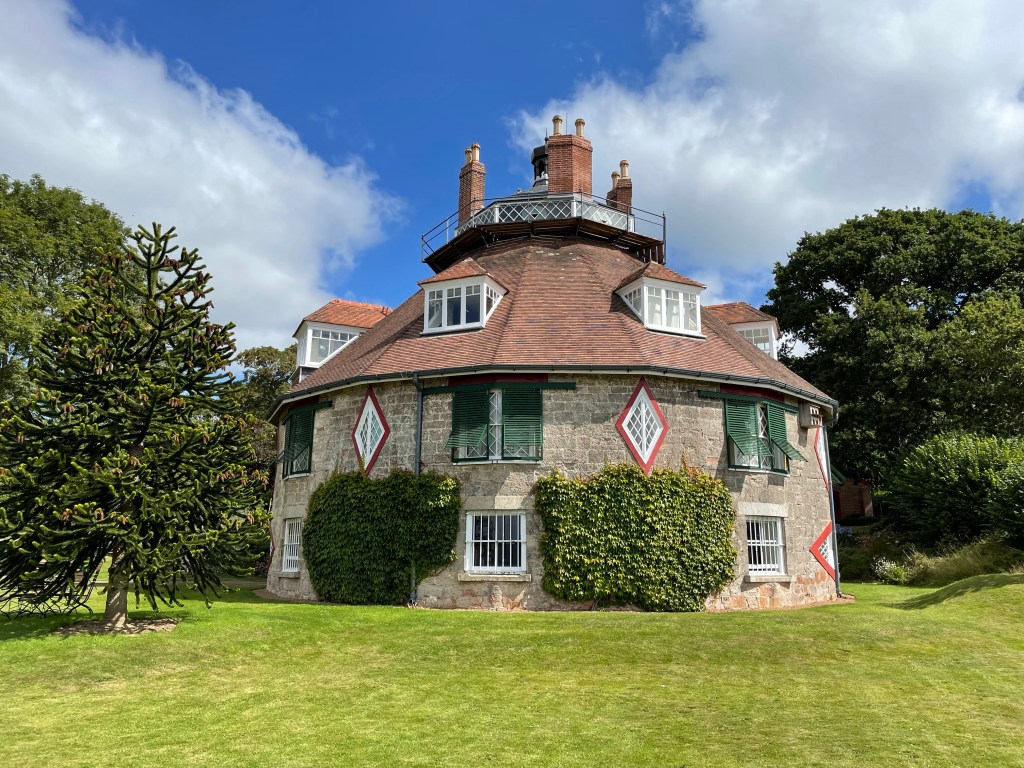
One of the things I love most about the National Trust is that it has rescued countless unique properties which would otherwise have fallen victim to developers’ diggers – like this mesmerising 16-sided house near Exmouth.
A La Ronde was facing this fate in January 1991 when the owners could no longer sustain the running costs. Property developers were eagerly eyeing up the land which boasts views across the Exmouth coastline, and their plans included tearing down this one-of-a-kind house in favour of building more houses which would bring in more money.
Thankfully, the National Trust stepped in and purchased the house and land for an eye-watering £750,000 – around £1.4m today before accounting for increased property prices – and means that today we can still wander around this architectural marvel.
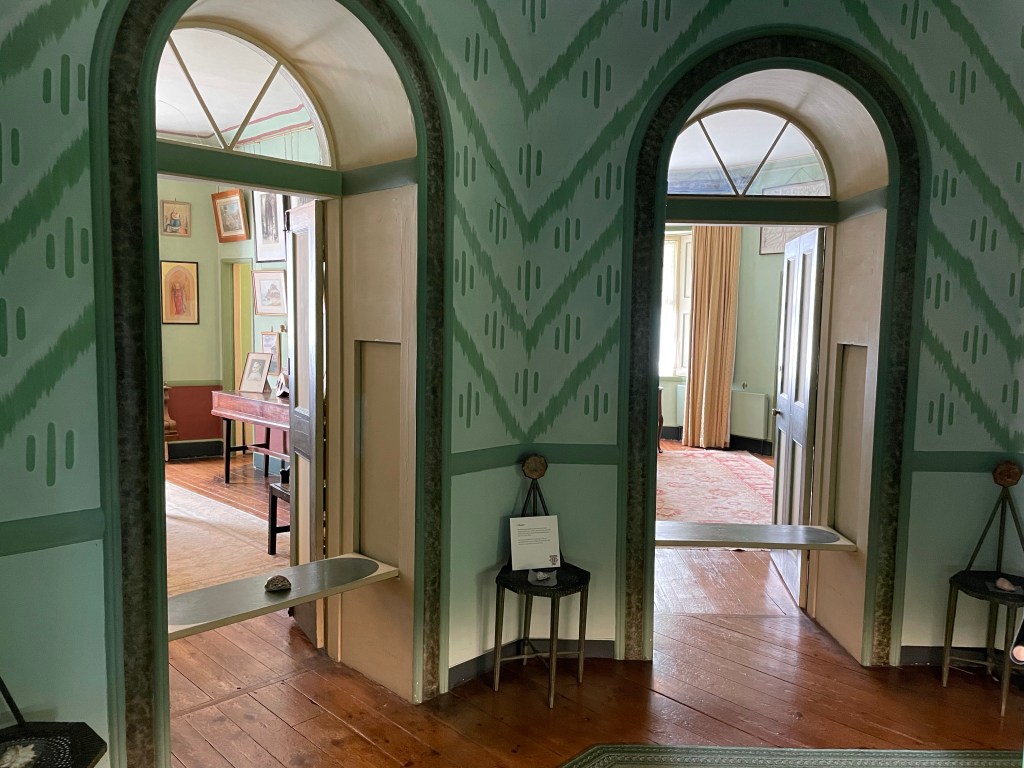
Better still, there’s a strong feminist story at the heart of A La Ronde’s history. The house is the brainchild of cousins Jane and Mary Perminter, who remained unmarried and childless their whole lives and spent much of their younger years travelling around Europe. We definitely would have been friends had I lived 200 years ago.
When their fathers died, both women inherited fortunes and on their return to Devon after their ‘Grand Tour’ of Europe, decided to build themselves a house like no other. In fact they wanted it in the style of an Italian basilica they had seen on their travels – San Vitale. Because they could.
In 1795, the pair somehow managed to convince an architect to help them design a 16-sided house. It’s actually an ingenious idea because it meant that the Perminters could move from room to room throughout the day, following the sun’s light and warmth for their artistic pursuits and ending the day in the dining room when it didn’t matter if it was dark outside as they could have a candlelit dinner instead. So the house was effectively a giant sunflower.
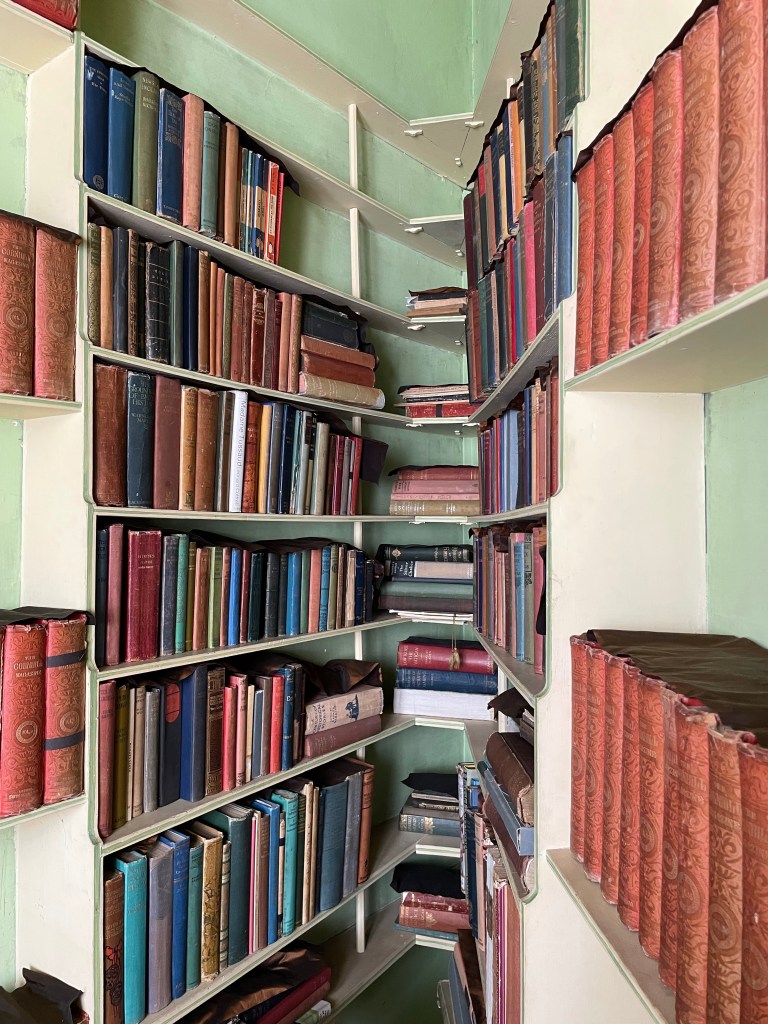
The downstairs is laid out with a central atrium stretching up to a shell gallery and glass roof, with rooms coming off the centre like flower petals, which also created wedge-shaped cupboards between each room. These were used for a variety of purposes, including a nook library.
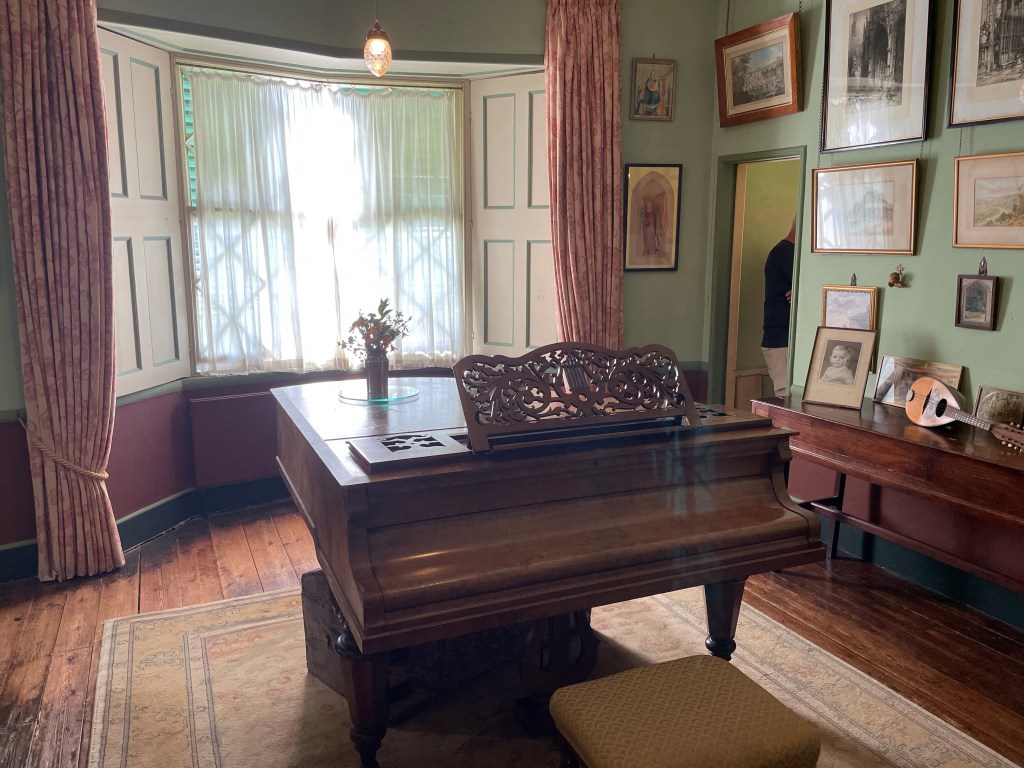
Both women were keen artists and obsessive shell collectors, and so the house is littered with their creativity and collections. The sitting room is decorated with patterns created from feathers which incredibly have survived the last two centuries.
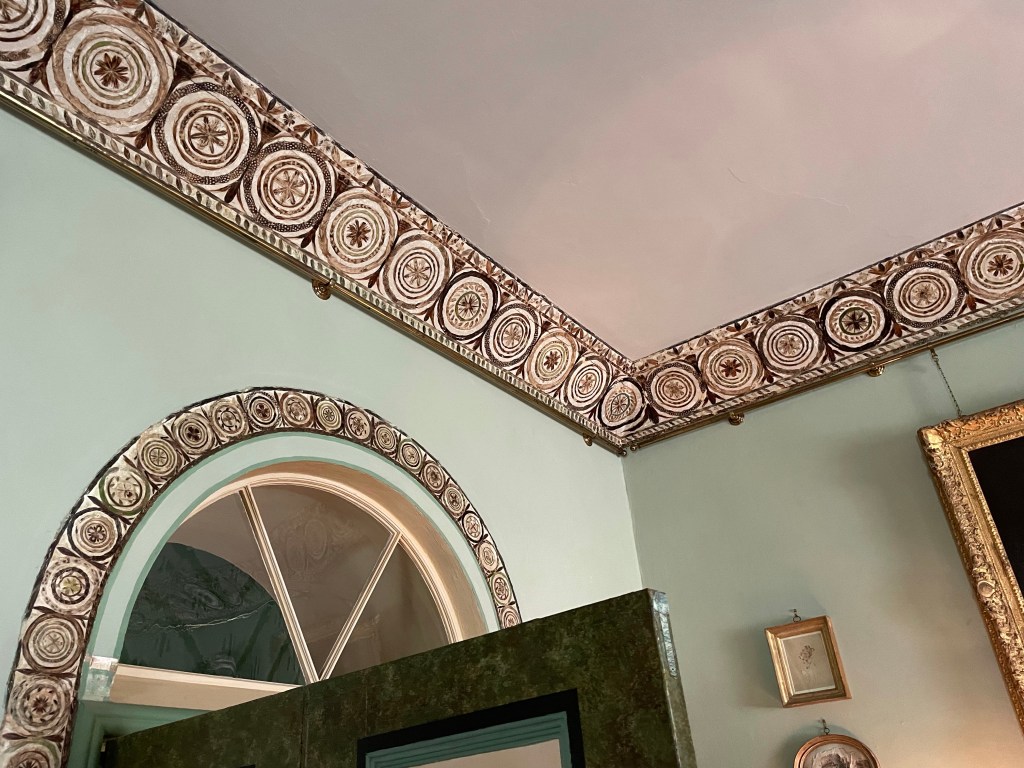
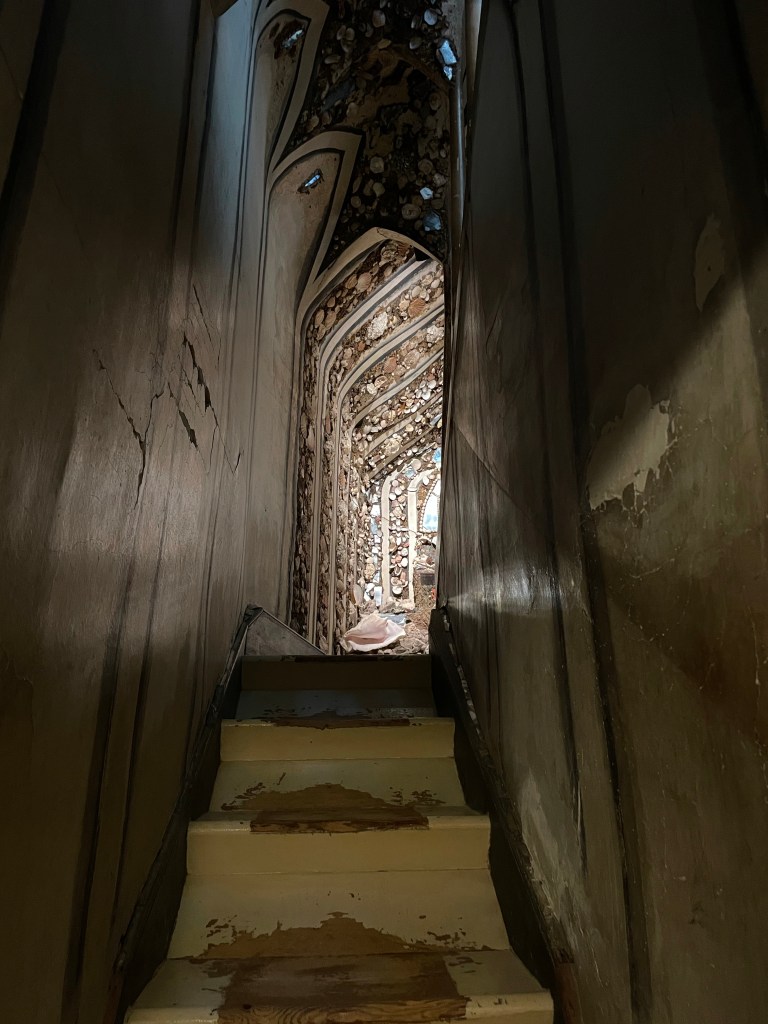
The shells they collected from their travels and in the UK fill drawer after drawer, cupboard after cupboard throughout the house, as well as being featured on the walls of a truly bizarre shell room at the top of the house.
Sadly, due to how fragile the shells are and the limited space, visitors are no longer allowed up to the shell room, and so have to be satisfied with a glimpse of the room from a staircase, and photos of the room. Conservationists are now working hard to protect the unusual room from further deterioration.
Jane and Mary were true pioneers in promoting female independence and took steps so that when they died, the only people allowed to inherit the house were unmarried female relatives, so that none of them needed to be forced into a marriage just for survival. And if that’s not using your privilege to lift other women up, I don’t know what is.
They also stipulated that all the items in the house had to remain with it – a huge bonus for the National Trust which still displays many of the items today.
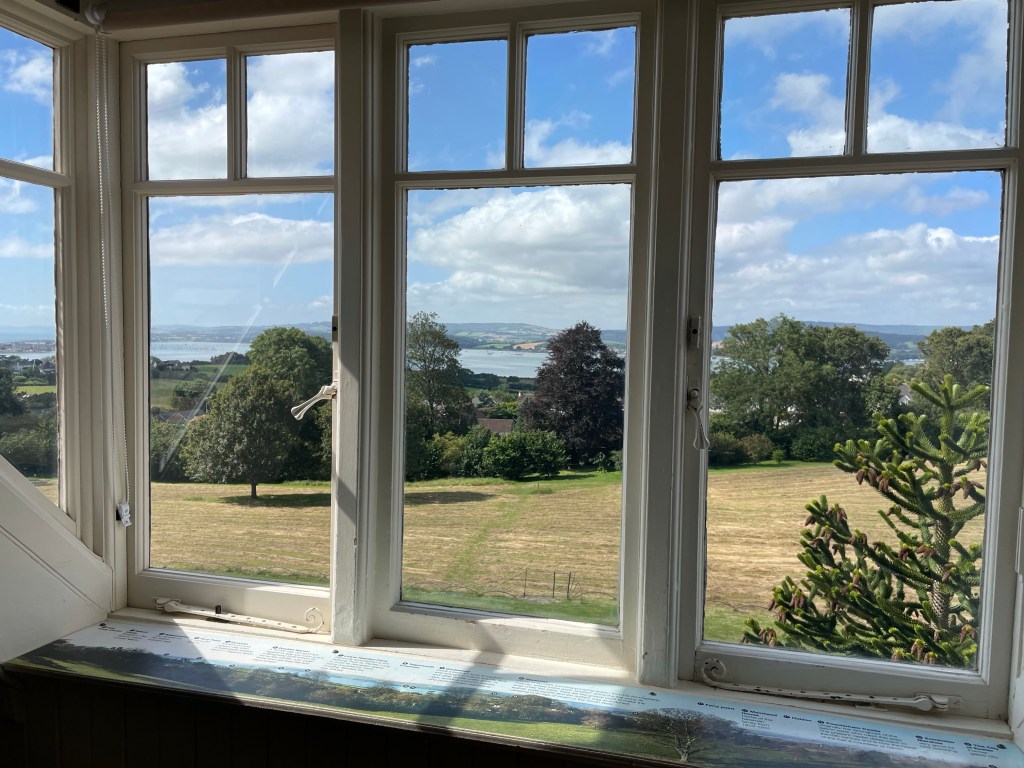
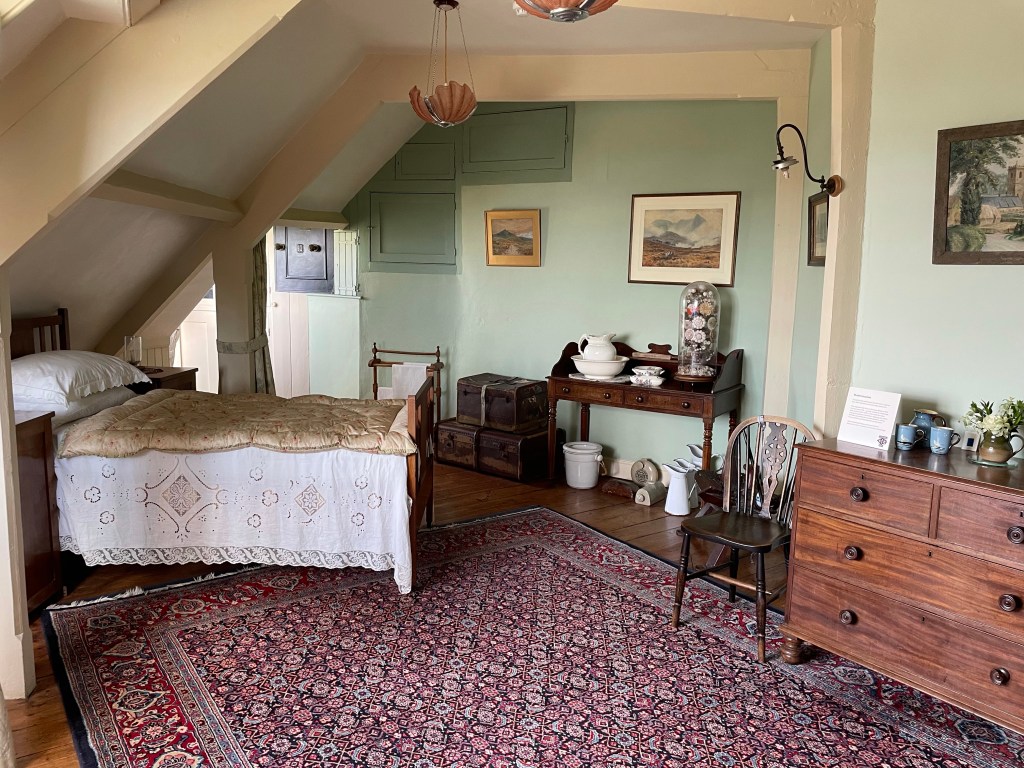
The house remained in female hands until 1880 when Oswald Reichel bought A La Ronde from his sister. While not in line with the Perminter women’s wishes, Oswald modernised the house with central heating and plumbing, added a second floor including bedrooms with phenomenal views and replaced the thatched roof with tiles – steps which probably saved the house in the long run. So we’ll forgive him.
However, Oswald remained the only male owner as the house passed to his wife and then only through female relatives until it was purchased by the National Trust.
More recently A La Ronde was the inspiration for the Shell House in the Harry Potter and The Deathly Hallows book – which is most clearly seen in the diamond windows throughout the property.
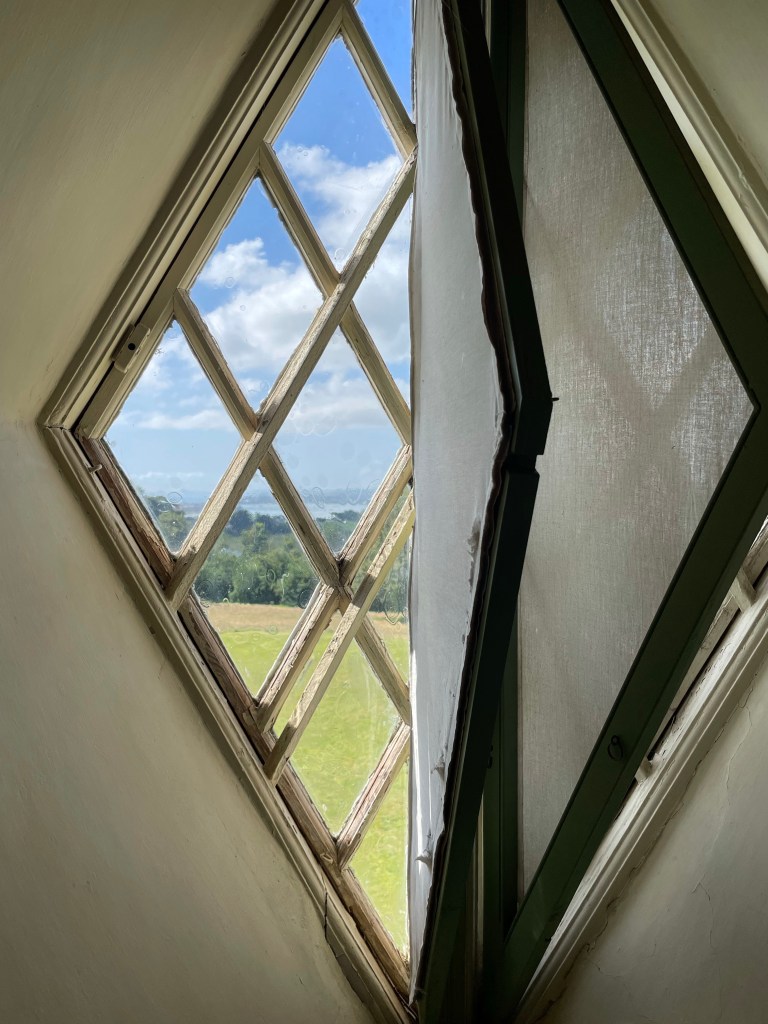
Verdict: Quirky and special home with a kickass and inspirational feminist history.
Bonus venue: In addition to building A La Ronde, Mary and Jane also built a church and alms houses on their 20-acre estate in 1811, and as well as still holding Sunday services, the church is open for visitors and just a short walk up the lane from the house.
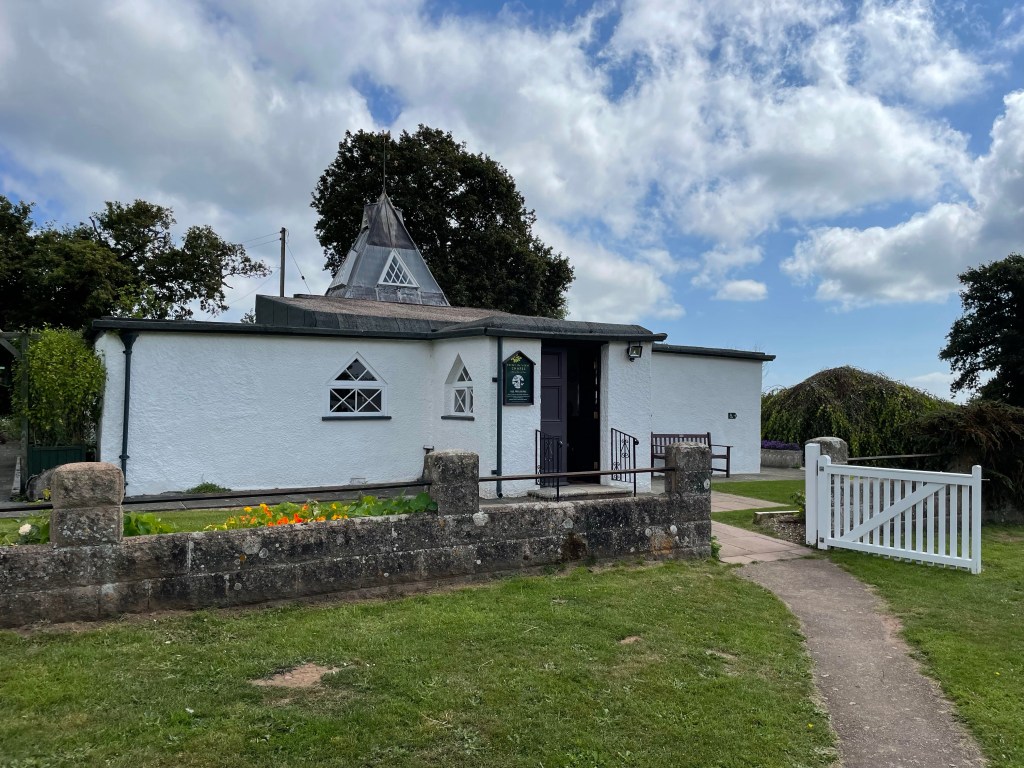
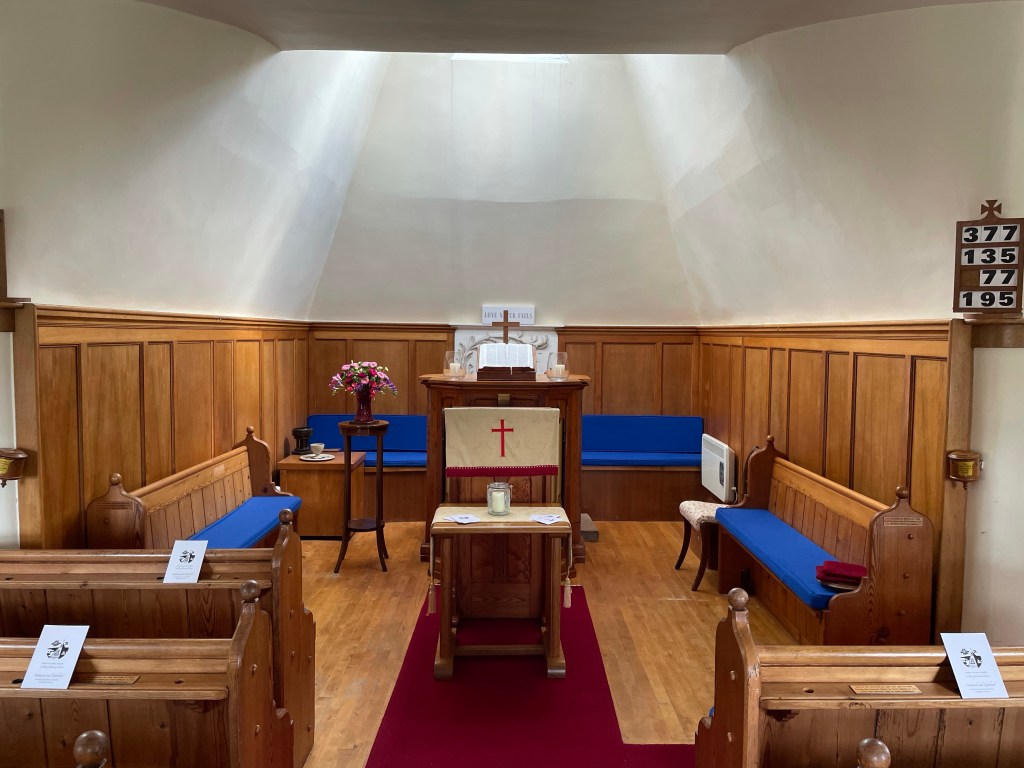
Like the main house, the church has unusual architecture, but it all makes sense once you’re inside.
The triangular windows in the triangular spire create an ethereal shaft of light above the alter and organ, and so on a sunny day would illuminate the priest during the service. It certainly made the room feel extra special, and the silence of the surrounding fields ensured the church is a peaceful venue. Well worth a visit.
 A Year of Trust