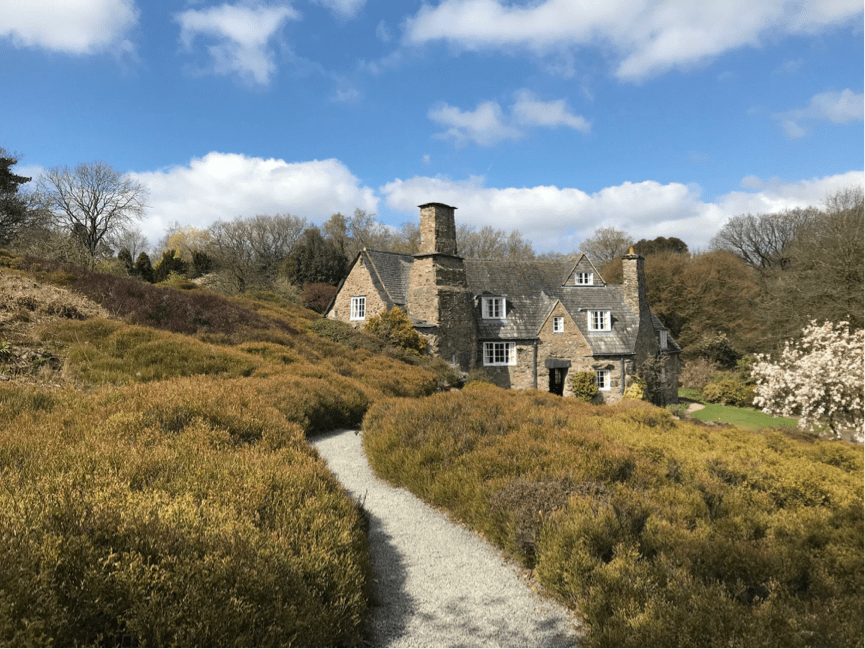
I’m starting to find that visiting National Trust properties is a bit like house porn. In the same way that I sometimes find myself on Rightmove, having accidentally-on-purpose searched by value – high to low – and I sit there drooling over stunning houses that I will never even drive past, let alone own, National Trust houses are the ultimate in unattainable homes.
But if I were to be allowed to buy one of the ones I’ve visited so far (and had for some inexplicable reason come into vast amounts of money), it would be Stoneywell.
Visiting Stoneywell does take a tiny bit of preplanning – you will need to book a parking spot in the car park ahead of time (this can be done via the website), and there is a regular minibus driven by friendly volunteers which will shuttle you to the property.
On arrival at the stables (containing the reception, shop, cafe and bathrooms), visitors are presented with a quaint postcard map of the property. It’s beautifully designed and a lovely, unintimidating way of finding your way around.
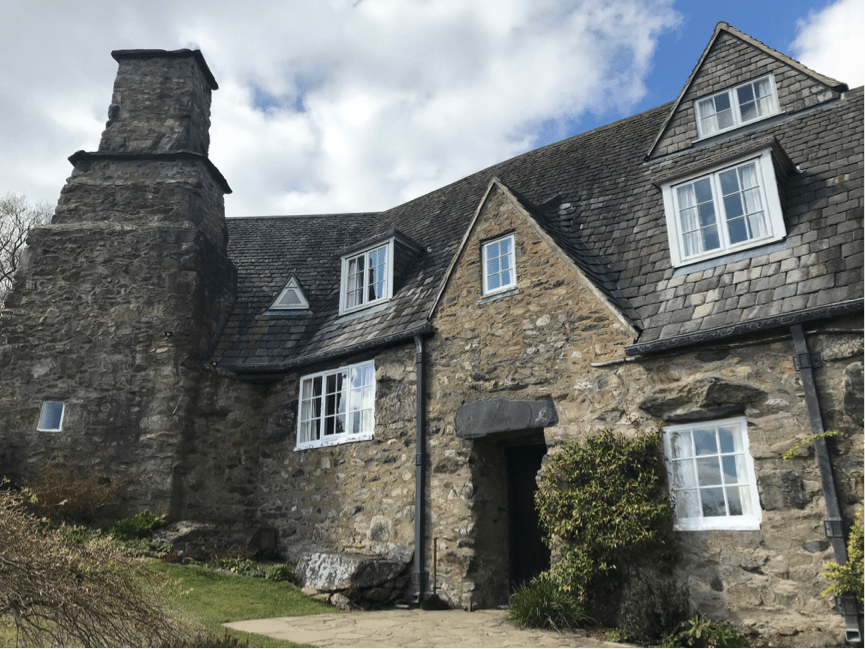
What struck me most about Stoneywell wasn’t actually anything to do with the property (although this too was spectacular) but the immense sense of peace I felt from the moment I arrived.
Nestled in the rolling Leicestershire hills, the blossom trees were all in full bloom, the sun was peeking between fluffy clouds, and my walk down to the house was accompanied by a symphony of birdsong. It was immediately apparent why this house had been the summer residence of choice for the Gimson family.
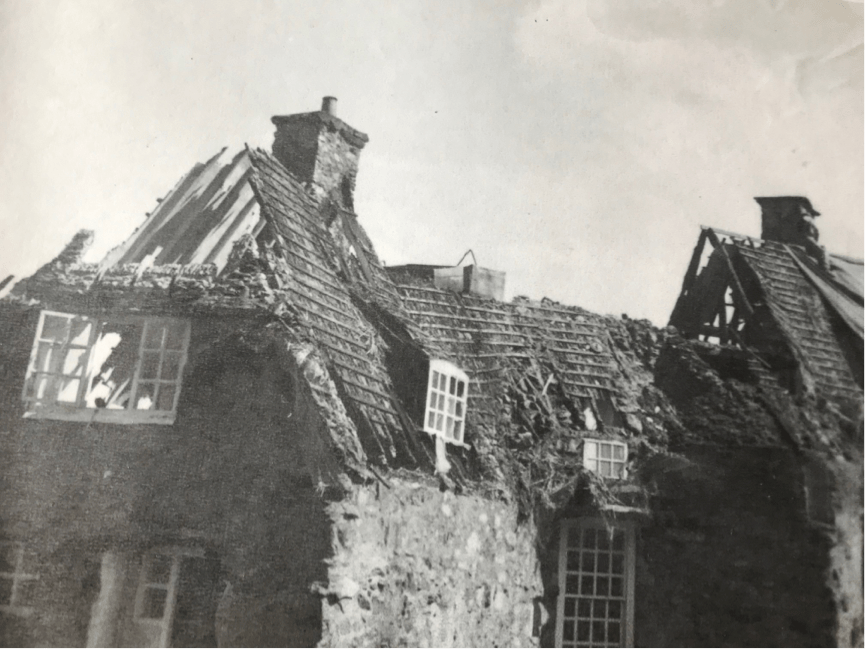
The original house was built in 1899, although the thatched roof was replaced with slate in 1938 following a devastating fire. As the house underwent some remodelling following the fire, some might argue that it actually looks better now than the original design. There are plenty of before and after photos in the sitting room of the house.
So what makes Stoneywell house so special?
Firstly, the house is higgledy-piggledy. The front door leads straight into the kitchen, which has been preserved in a 1950s timewarp as if the family had just gone out for the day, and still contains furniture crafted by Ernest Gimson, such as the ladder-back kitchen chairs. A pantry leading off the kitchen and set lower into the hill was mistakenly constructed with a floor below the groundwater level, meaning it regularly floods.
Stoneywell is not disabled friendly. It is actually built across seven different levels as it is built into a hill, and includes uneven steps, and steep spiral staircases that you wouldn’t want to attempt after a few lemonades.
This construction style also means that most cupboards and furniture is bespoke and has been handcrafted to meet the needs of the house, making each room of the house unique and interesting.
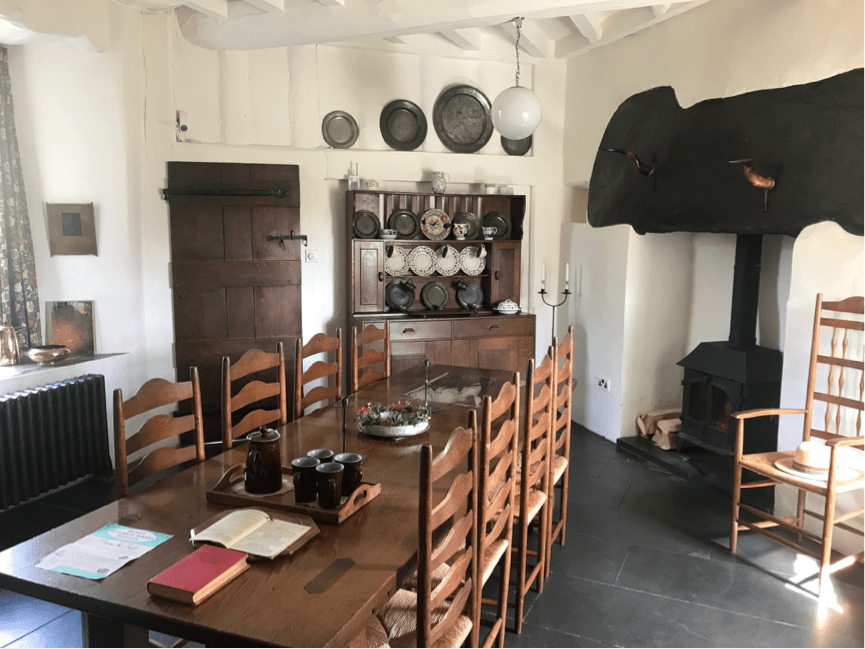
Secondly, the house is constructed in the Arts and Crafts style (apparently), which as far as my untrained eye could tell, meant the whole thing was painted white and all the curtains are William Morris, but it did make it all light and airy, which settles the mind and made it just as peaceful inside as the walk outside had been.
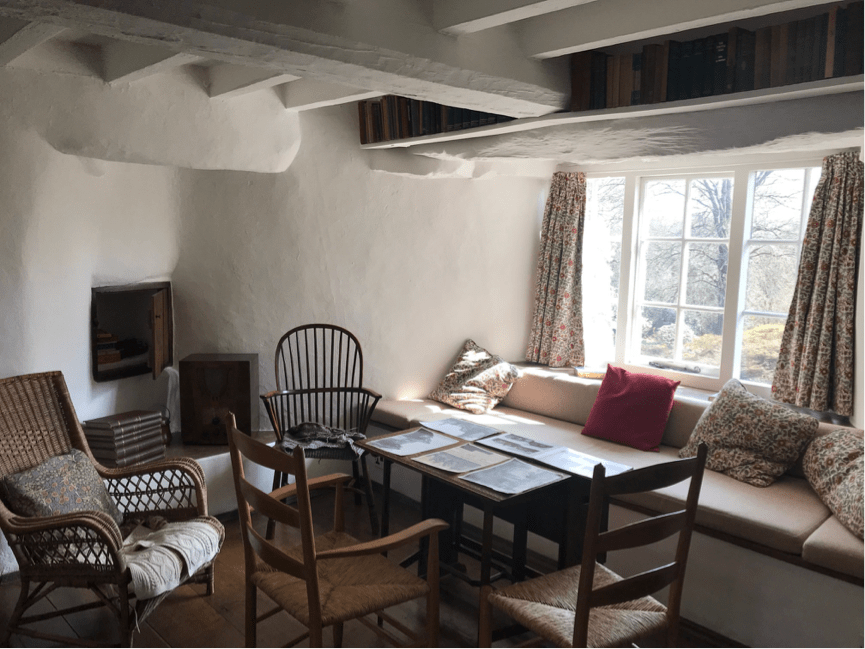
Thirdly, the cubby hole, which if I was ever allowed to buy Stoneywell, would be henceforth known as ‘Lizzy’s Cubby Hole’. Not only was it tucked away behind a roaring open fire, not only did it have its own little window looking out over the garden, not only did it have a little shelf built in for books, but there was also only space enough for one bookworm – guaranteeing solitude. I mean, that’s the dream.
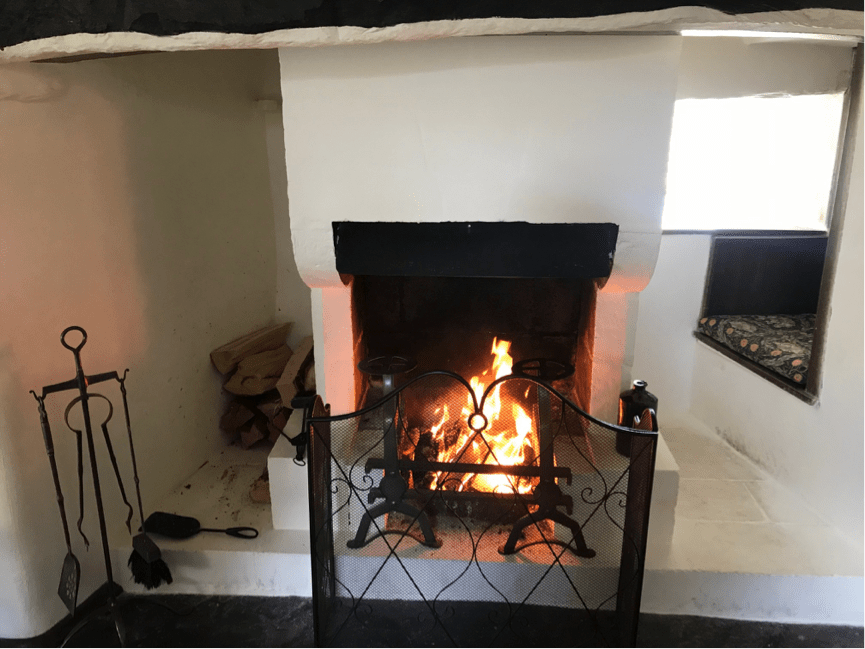
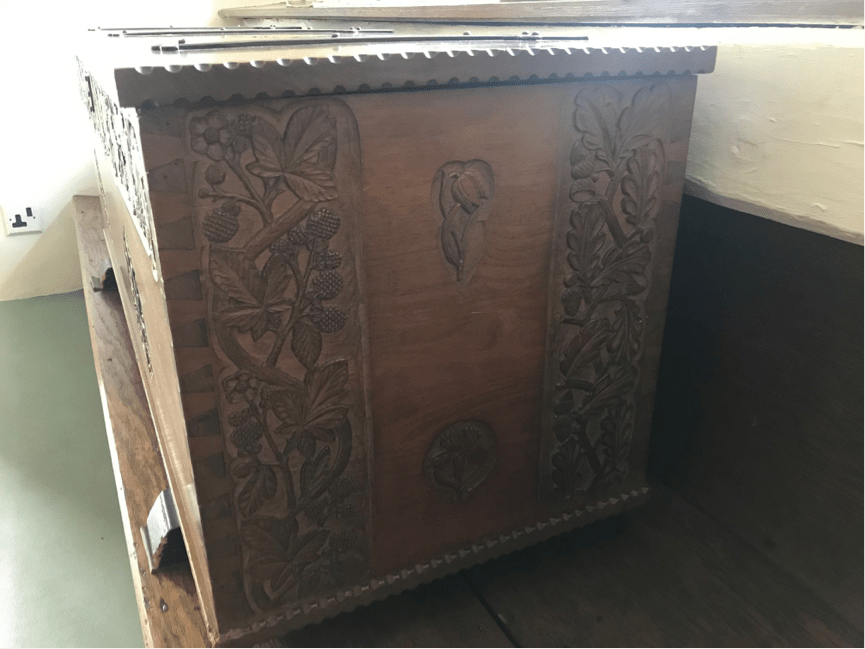
But one of the greatest treasures of Stoneywell is hidden on the end of a wooden trunk in the master bedroom: the original National Trust logo.
The iconic symbol (with four oak leaves should you ever need to know in a pub quiz) was carved into the chest by Joseph Armitage, a wood carver from Leicester, back in 1912. And in 1935 it was adopted by the National Trust following a competition to establish a new logo.
Another fun fact about Stoneywell is that it is the first house in Leicestershire to be owned by the National Trust – the organisation’s only other two properties in the county are Staunton Harold Church and Ulverscroft Nature Reserve.
Yet again, the National Trust volunteers at Stoneywell were exemplary and so keen to impart the stories of the house.
One particular lady, Hayley, guardian of the kitchen on the day I visited, was so welcoming and enthusiastically introduced me to the history of the house and the family who had lived there. I was visiting on my own on this occasion, and she took special care to make me feel at home and welcome, which truly made my day.
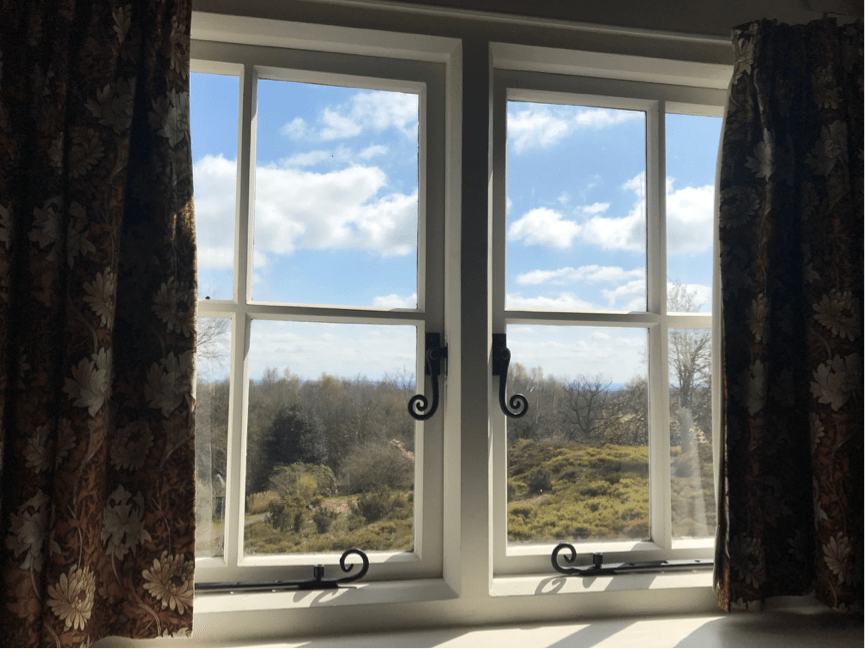
And while I have rambled on about my love for the house, Stoneywell’s grounds are really very lovely too.
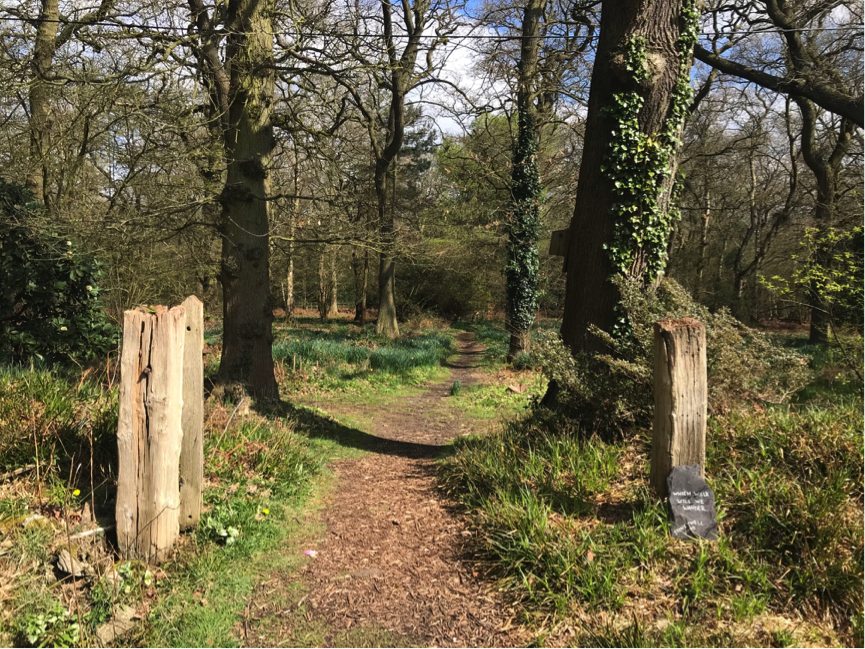
At the bottom of the garden is the property’s namesake – a well built from stone, and there is a surrounding woodland where children and grandchildren of the Gimson family have been playing and building forts for more than a century, and where the children of visitors continue to do so today.
One volunteer kindly explained that the gardens are planted so that there are different flowers which bloom in each month of the year, so depending on when you visit determines the colours of the landscape seen from the house. In addition, in early spring, a river of daffodils runs down the hill alongside the house, while later in April, bluebells carpet the woodland.
The National Trust may have bought Stoneywell in 2013, and opened it to the public in 2015, but it still feels like the family house it has been since 1899, and I can only dream of being lucky enough to live in such a fantastic setting.
Verdict: If I could live here, I would.
 A Year of Trust