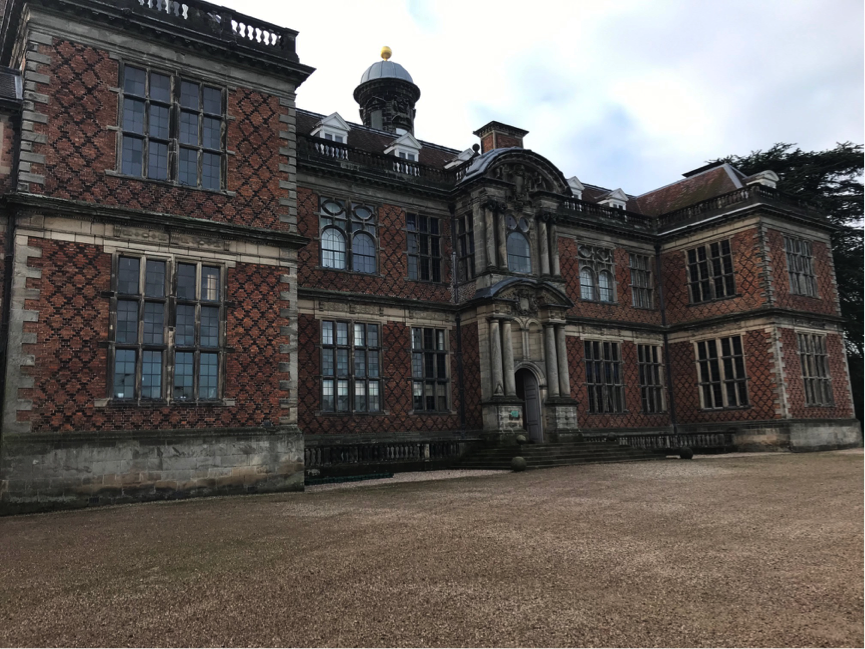
So the first weekend of the year brings with it my first official National Trust property – Sudbury Hall and the Museum of Childhood.
Choosing which of the almost 600 places I would first visit was relatively easy as many of the properties close for the winter and do not reopen until March. Sudbury Hall happened to be the closest one that was open.
Having abandoned my car in the National Trust car park down the road – the windscreen proudly displaying my orange membership sticker – I headed towards the looming red brick hall. Not open until midday, I took the opportunity to pop round the Museum of Childhood situated in the estate’s courtyard and identifiable by the giant Connect4 game outside.
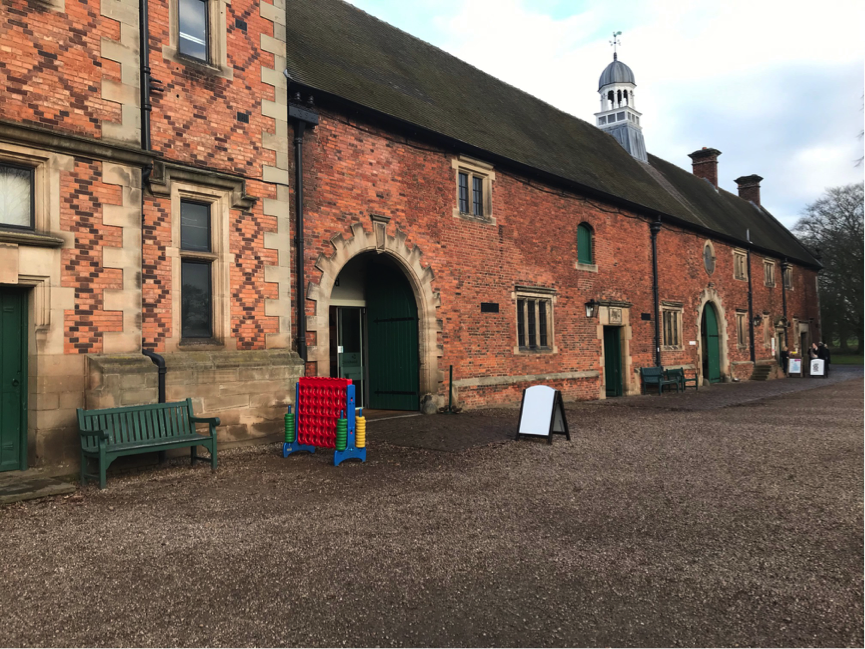
The museum is well worth a visit and also free with National Trust membership. It is a walk through the ages of the toys children have played with since Victorian times, and how the current political and social climate influenced these playthings.
Museum education aside, I wasn’t alone in peering into cases and excitedly cooing over the toys I had grown up with, and many of which I had forgotten about – like Knucklebones. Remember them? Interestingly, the museum had some dating back to Egyptian times and made from sheep’s ankle bones, but I remember playing with the more garish and sanitised 90s plastic versions – something I hadn’t thought of in 20 years.
Other personal highlights included the collection of Polly Pockets, a Furby, and a Sindy doll – complete with 1970s mustard yellow and brown bathroom set.
When I’d had enough of noisy children getting overexcited at the hands-on elements of the museum while their parents were distracted (seriously, consider bringing earplugs), I ventured into the hall itself.
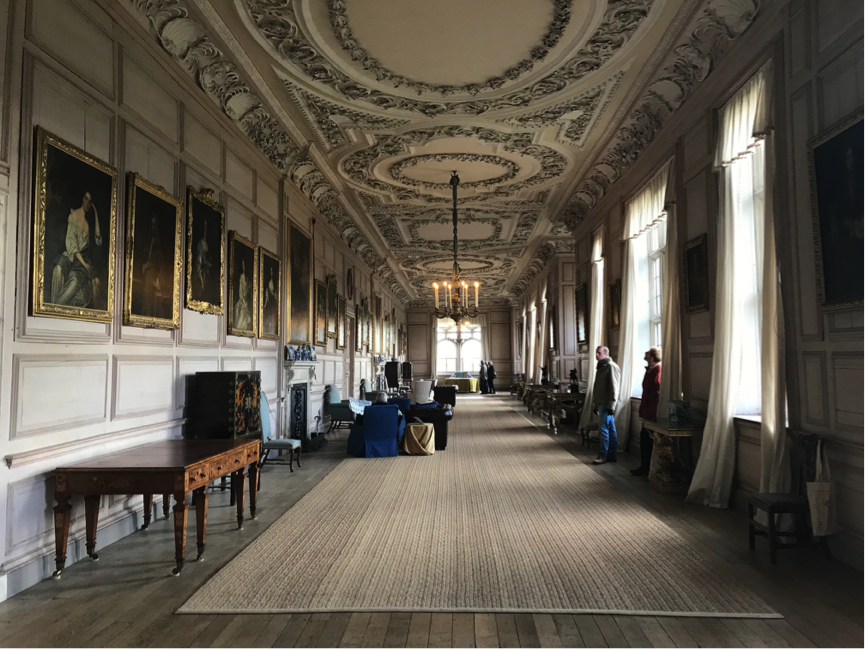
The house is more than 300 years old, built by the Vernon family and gifted to the National Trust in the 60s. As with most estate houses, it is jaw-droppingly opulent. The Vernons liked ornate painted ceilings framed with extravagant plasterwork, expensive silk furniture and of course, dozens of paintings of themselves. It is a beautiful house to walk around and you can’t quite believe that people one lived there.
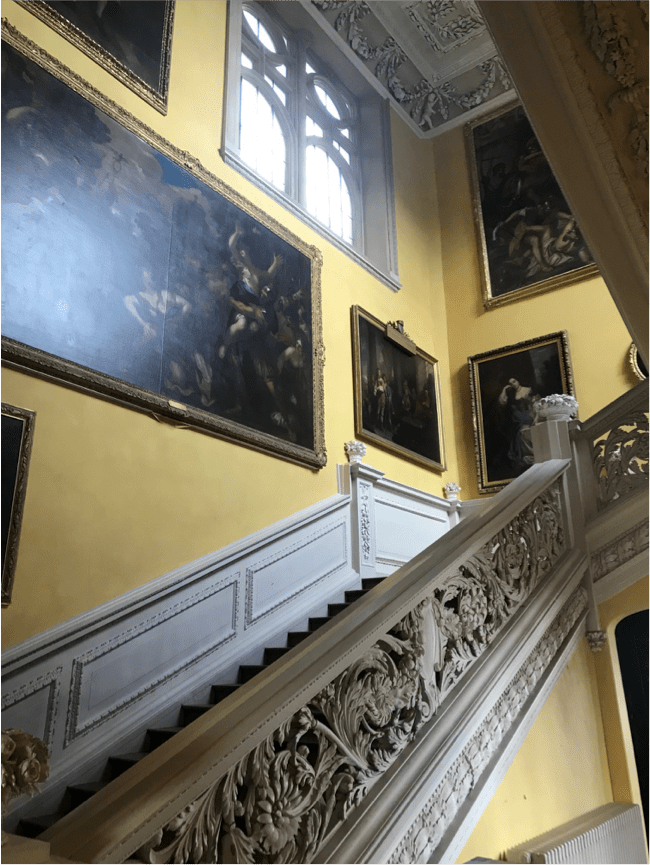
The house is mostly known for two things – the staircase and the top floor gallery. The main staircase is ridiculous, and wouldn’t look out of place in a French Palace.
The banister is all hand carved from wood and the ceiling is delicate plaster work. Due to it’s fragility and ongoing restoration work, visitors cannot actually ascend this staircase, but there is another lovely one at the other end of the house leading to the top floor.
Throughout the house, it is evident that the Vernons liked their books (I knew I liked that family), as the study and an ‘overflow library’ with a wrought iron spiral staircase and a mezzanine balcony, are both crammed with beautifully bound books.
But the pièce de résistance in the house is the Long Gallery which stretches the length of the house, similar to that found at Montacute house in Somerset. And even better, at one time it was an enormous library with bookcases flanking the walls. Yes please.
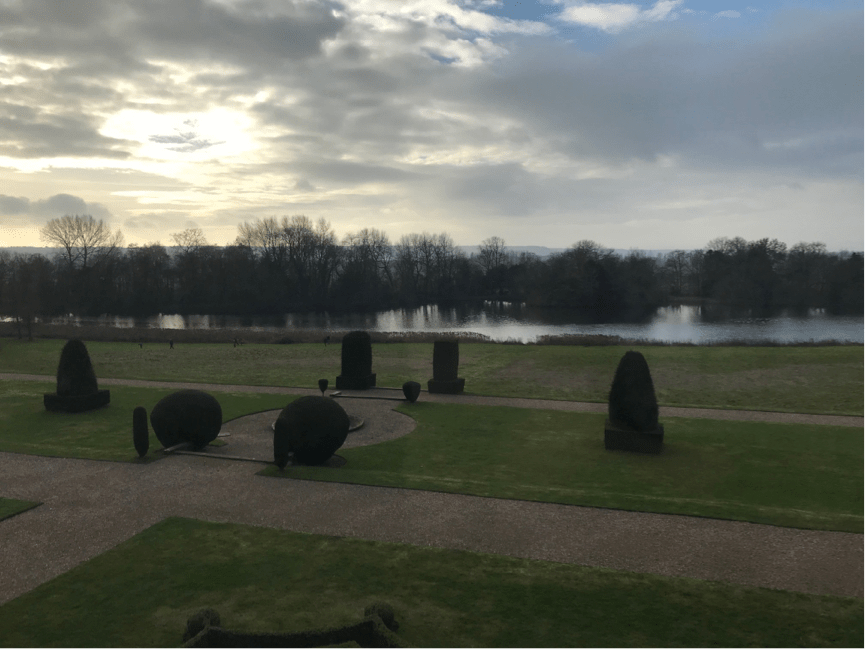
The gallery also has the most spectacular views across the lake and gardens, where I stood for a moment in the weak sunshine watching a flock of Canadian geese circle and land on the water. It was glorious.

 A Year of Trust